


Machining operations involving stainless steel often create excessive heat during longer production cycles regularly. Higher chromium content increases friction levels, causing premature tooling wear during aggressive cutting applications. Thus, machinists often need stronger lubrication support for maintaining cleaner finishes and dimensional accuracy.
Many production shops experience inconsistent chip evacuation while machining demanding stainless steel components. Poor lubrication conditions increase work hardening, reducing machining efficiency and shortening insert performance considerably. Meanwhile, fluid selection directly affects surface consistency, cutting stability, and machine reliability.
Why Stainless Steel Generates More Heat During Cutting
Austenitic grades commonly trap heat near cutting zones instead of dispersing temperatures efficiently during machining. Friction increases rapidly whenever tooling encounters interrupted cuts, deeper passes, or unstable spindle conditions. Excessive heat often damages inserts before operators notice declining machining performance during production.
Research from the British Stainless Steel Association highlights substantial work hardening during austenitic machining applications. Poor chip control also increases friction levels during turning, drilling, and milling stainless steel components. Strong lubrication becomes especially important whenever shops machine tougher grades requiring slower cutting speeds consistently.
Neat cutting oils provide stronger lubrication compared with many water-based machining fluid formulations currently available. Stable oil films with EP additives handle heavier cutting pressure common during stainless machining applications more effectively afterward. As a result, tooling maintains sharper edges while reducing damaging heat buildup around inserts consistently.
Managing Chip Control and Work Hardening
Difficult chip control often affects machining consistency during deep-hole drilling and interrupted turning applications. Long chips frequently recut against surfaces, creating additional friction and inconsistent dimensional accuracy across finished components. Furthermore, poor evacuation increases insert wear while producing rougher finishes during repetitive machining cycles.
Work hardening develops whenever tooling rubs material surfaces instead of cutting consistently through stainless steel properly. Hardened surface layers force inserts through increasingly resistant material during additional machining passes. Therefore, machinists often experience chatter, vibration, and shortened tooling life during extended production schedules.
Consistent cutting fluid application improves chip evacuation while reducing thermal stress near cutting interfaces considerably. According to Alleima machining guidance, stable coolant flow improves dimensional stability and chip breaking performance. Stronger lubrication also minimizes rubbing conditions contributing heavily toward work hardening during stainless steel machining.
When Neat Cutting Oil Outperforms Water-Based Fluids
Water-based fluids generally perform well during high-speed machining requiring stronger cooling than lubrication capabilities overall. However, demanding stainless applications often require higher lubricity for controlling friction during slower cutting conditions. Neat cutting oils usually perform better whenever operations prioritize tooling protection and finish quality simultaneously.
Threading, tapping, broaching, and deep drilling operations benefit from stronger lubrication under concentrated cutting pressures. Higher lubricity reduces metal adhesion around inserts while improving cutting consistency during repetitive machining cycles. Additionally, heavier oil films help prevent surface tearing affecting difficult stainless steel grades during production.
Neat oils are straight metalworking fluids designed without water dilution before machining applications. Unlike water-based fluids, neat oils focus heavily on lubrication performance during demanding metal removal operations. Shops prioritizing tooling protection frequently prefer neat oils while machining difficult stainless steel materials consistently.
Lubrication Practices That Improve Stainless Steel Surface Finishes
Surface finish quality depends heavily upon maintaining stable lubrication during demanding machining operations. Friction fluctuations commonly produce torn finishes, chatter marks, and inconsistent dimensional surface characteristics. Therefore, fluid performance directly affects surface appearance and final part tolerance during precision machining.
Sharp tooling alone rarely prevents finish inconsistencies while machining challenging stainless steel grades repeatedly today. Stable lubrication reduces localized heat buildup while minimizing edge breakdown during longer production runs. Consequently, inserts maintain cleaner cutting action across interrupted cuts and aggressive machining conditions more effectively.
Experienced machinists often notice smoother finishes after improving lubrication near difficult cutting interfaces significantly afterward. Machining discussions regularly reference improved machining on challenging stainless applications with high viscosity/high EP (extreme pressure) neat oils. Cleaner cutting conditions generally support better repeatability across aerospace, automotive, and industrial manufacturing environments.

Signs Your Machining Process Needs Better Fluid Selection
Rising temperatures often indicate lubrication breakdown during demanding machining cycles involving tougher production materials. Poor fluid performance frequently creates visible surface discoloration and shortened tooling reliability across production schedules.
These warning signs commonly suggest lubrication improvements could benefit machining efficiency significantly:
- Increased insert wear despite maintaining recommended feeds and spindle speed settings.
- Visible chatter marks appearing across finished surfaces during repetitive production machining operations.
- Long chips accumulating near tooling instead of evacuating cleanly during machining cycles regularly.
- Frequent dimensional inconsistencies developing after extended cutting periods involving heavier material removal.
- Excessive machine vibration occurring during drilling, threading, or interrupted turning operations.
Proper fluid selection improves cutting stability while supporting consistent production quality during longer machining schedules. Better lubrication practices also reduce unnecessary stress affecting inserts, spindle components, and overall machine reliability.
Practical Fluid Management for Better Shop Performance
Fluid management affects machining consistency far beyond simple cooling performance during daily production operations. Clean lubrication systems support predictable cutting conditions while reducing contamination affecting machining reliability throughout production. Moreover, stable fluid conditions help operators maintain repeatable machining results across changing manufacturing requirements.
Several practical maintenance habits improve lubrication performance during demanding stainless steel machining environments:
- Maintain proper fluid delivery directly near active cutting zones during machining operations regularly.
- Remove accumulated chips frequently for preventing recutting and unnecessary insert edge wear.
- Monitor fluid cleanliness consistently throughout extended production schedules involving difficult metal grades regularly.
- Replace degraded fluids before lubrication performance declines during precision machining applications.
Strong maintenance practices help improve machining reliability while supporting cleaner and more efficient shop environments. Consistent lubrication management also helps reduce downtime caused by premature tooling wear and unstable cutting performance.
Supporting Better Stainless Steel Machining Performance
Efficient machining operations depend heavily upon lubrication quality, chip evacuation, and thermal stability throughout production consistently. Stainless steel applications regularly challenge tooling through elevated friction, difficult chip formation, and rapid work hardening. Proper fluid selection helps operators maintain cleaner finishes while reducing premature tooling replacement across facilities.
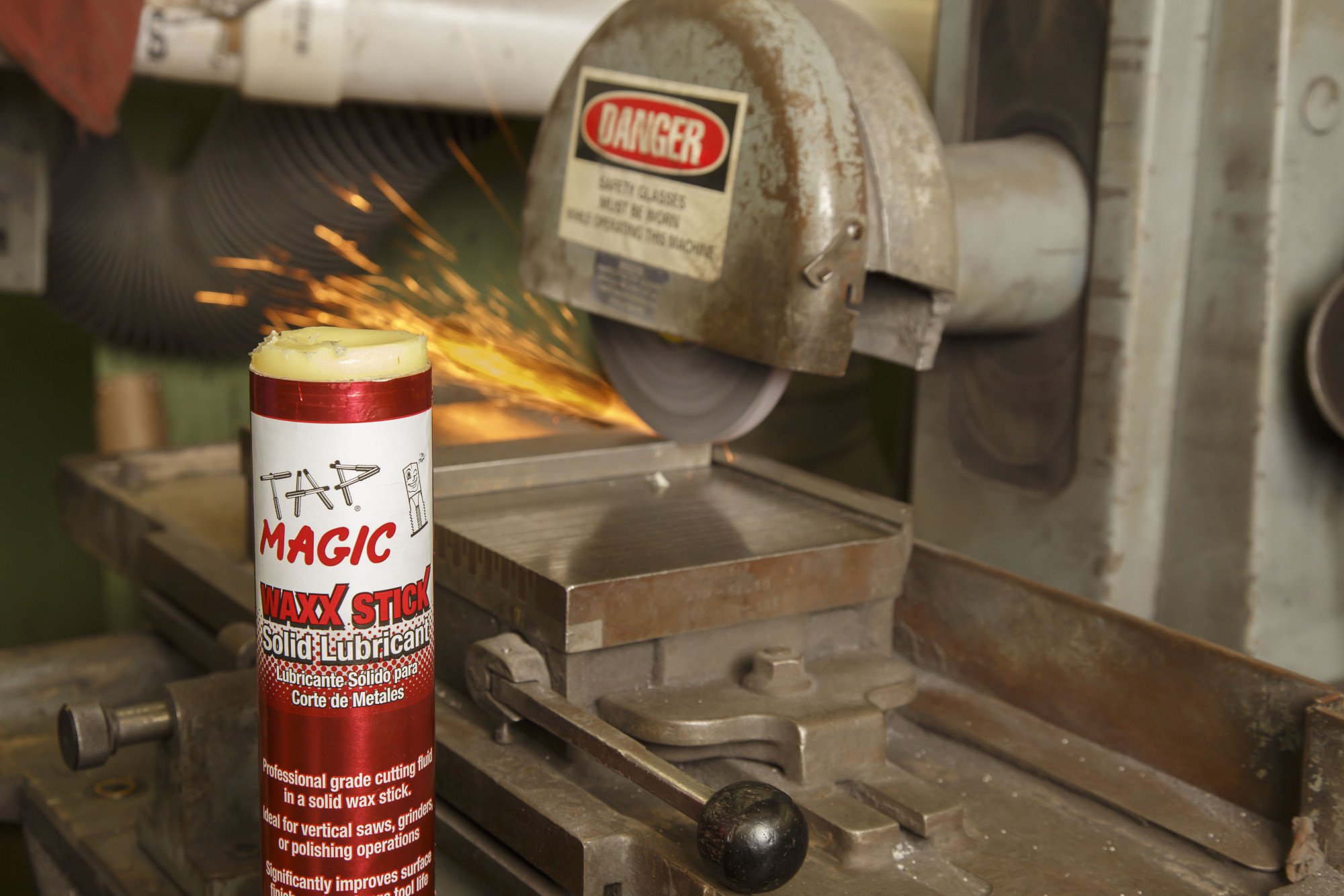
At Tap Magic, machining support focuses on improving reliability during demanding stainless steel manufacturing applications with a variety of fluid options. Proper lubrication strategies help shops reduce downtime while maintaining consistent machining quality across operations. Explore Tap Magic cutting fluid solutions designed for precision machining, tooling protection, and dependable shop performance.