


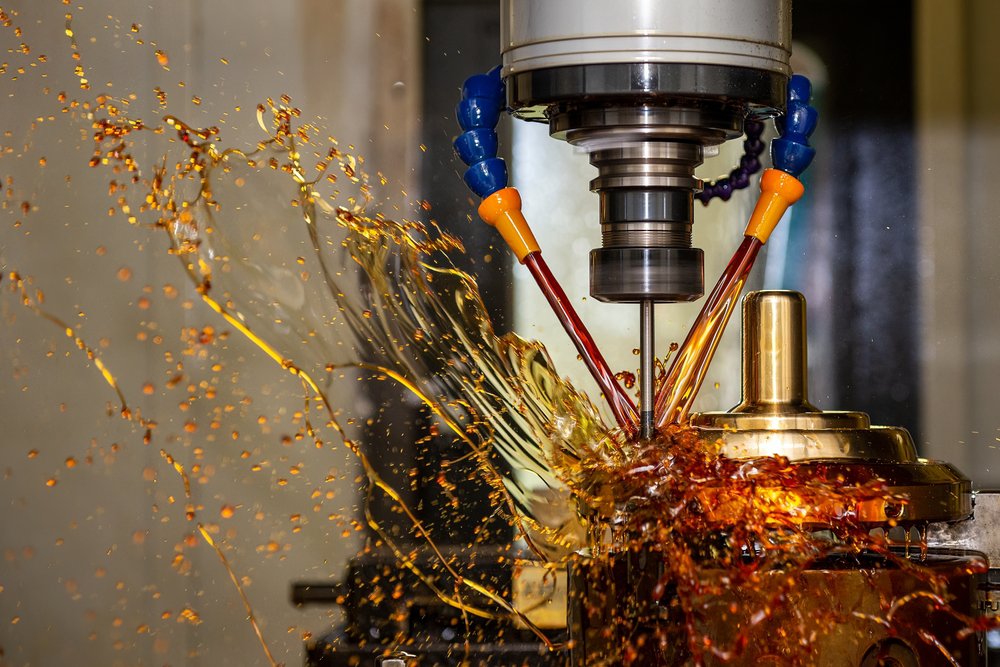
Machining durable alloys requires practical shop floor knowledge to avoid unnecessary tool wear and downtime. Experienced operators regularly deal with the challenges of machining hardened steel, where heat and friction quickly take their toll. Choosing the right cutting oil helps maintain productivity, extend tool life, and improve part quality.
Heat and friction can shorten tool life during drilling, milling, and turning operations. A quality cutting oil forms a protective film between the tool and workpiece, reducing wear while supporting a better surface finish. Experienced machinists know that fluid selection plays a direct role in machining performance.
Understanding the Physical Toughness of Hardened Steel
Hardened metals have high strength that makes material removal more demanding than machining softer alloys. The cutting zone experiences significant mechanical stress, especially during long machining cycles. Standard lubricants often cannot withstand these conditions.
Heavy friction also creates localized heat that accelerates tool wear and increases the risk of edge damage. As temperatures rise, carbide tools become more susceptible to microscopic cracking and reduced cutting performance.
Tough alloys also require strong lubricity for smooth chip formation. Without a durable lubricating film, hot chips can weld to the cutting edge and damage the tool. High-performance cutting oils help reduce friction and protect equipment when machining steel.
Managing Temperatures When Machining Steel
Heat builds rapidly at the cutting interface during heavy machining operations. If left uncontrolled, high temperatures can shorten tool life and affect part accuracy. Research shows that much of this heat is carried away by the chips, making chip evacuation an important part of the process.
Effective cutting fluids absorb heat while maintaining stable cutting conditions. Consistent cooling helps preserve the integrity of both the workpiece and the cutting tool. Better temperature control also reduces dimensional changes as finished parts cool.
Proper fluid delivery keeps chips moving away from the cutting zone while maintaining lubrication where it matters most. A stable oil film helps protect tools from thermal shock and reduces the risk of surface damage during demanding steel machining applications.
Core Performance Attributes of Premium Cutting Lubricants
Strong boundary lubrication is one of the most important qualities in cutting oils for hardened materials. Extreme pressure additives create a protective layer between the tool and workpiece under heavy loads. Maintaining the correct fluid concentration also helps maximize tool life.
Extreme pressure additives, including sulfur-based chemistries in many formulations, help reduce metal-to-metal contact during demanding operations. Good washability allows chips and fine particles to flush away, keeping machining areas cleaner and reducing recutting.
Chemical stability is equally important during extended production runs. High-quality cutting oils resist breakdown while protecting machine components from rust and corrosion. A durable formulation supports consistent machining performance throughout long operating cycles.
Key Factors for Selecting Fluids for Hardened Steel
Choosing the right cutting oil depends on your machining process, tooling, and production requirements. Experienced machinists evaluate several factors before deciding on a fluid. Matching the lubricant to the application improves performance and reduces unnecessary tool wear.
Please evaluate these critical selection variables to find your ideal high-performance formula:
- Select strong boundary lubrication to reduce cutting edge wear.
- Match cooling performance to your spindle speeds and machining conditions.
- Verify compatibility with your cutting tool coatings.
- Ensure the delivery system provides consistent fluid coverage at the cutting zone.
- Maintain cutting fluids to preserve performance and sump cleanliness.
Finding the right formulation reduces friction and supports consistent results when machining hardened steel. Reviewing these factors before production helps improve efficiency and extend tooling life.
Operational Errors that Accelerate Wear on Cutting Tools
Poor fluid maintenance can shorten tool life and reduce machining quality. Contaminated or poorly maintained sumps lose effectiveness over time, increasing wear on both tools and equipment. Regular monitoring and fluid maintenance help prevent these issues.
Please avoid these common workshop mistakes to maintain reliable machining performance:
- Using general-purpose cutting oils for demanding hardened alloys.
- Misaligning nozzles so lubricant cannot reach the cutting edge.
- Allowing tramp oil to accumulate in the system.
- Running aggressive cutting speeds without adequate lubrication.
- Leaving chips in the cutting area where they can damage tools and finished surfaces.
Correcting these common issues helps extend tool life, improve surface finishes, and maintain consistent machining results throughout your operation.
Achieving Machining Consistency and Precision
Consistent machining depends on controlling friction, heat, and tool wear throughout every operation. The right cutting oil helps hardened steel machine more efficiently while protecting valuable tooling and equipment. A well-matched lubricant also supports better finishes and more reliable production.
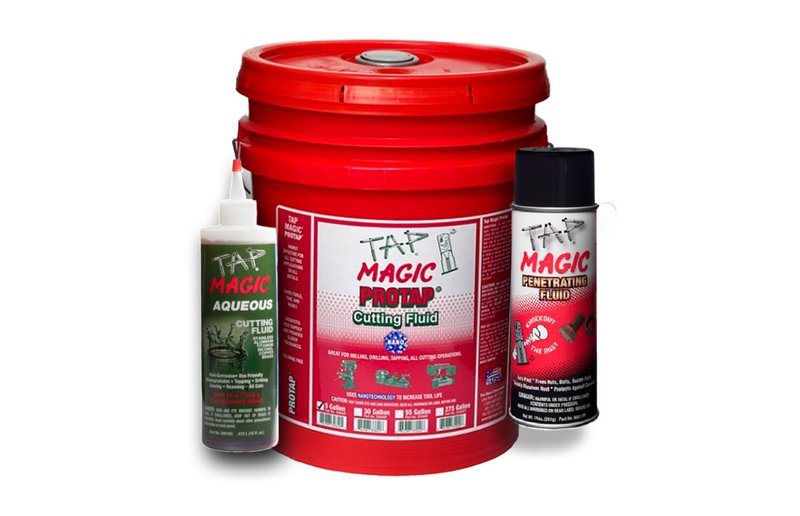
At Tap Magic, we develop premium cutting fluids engineered for demanding steel machining applications. Our advanced formulations deliver the lubricity and cooling performance needed for consistent results. Contact our team to find the right cutting fluid for your machining operation.