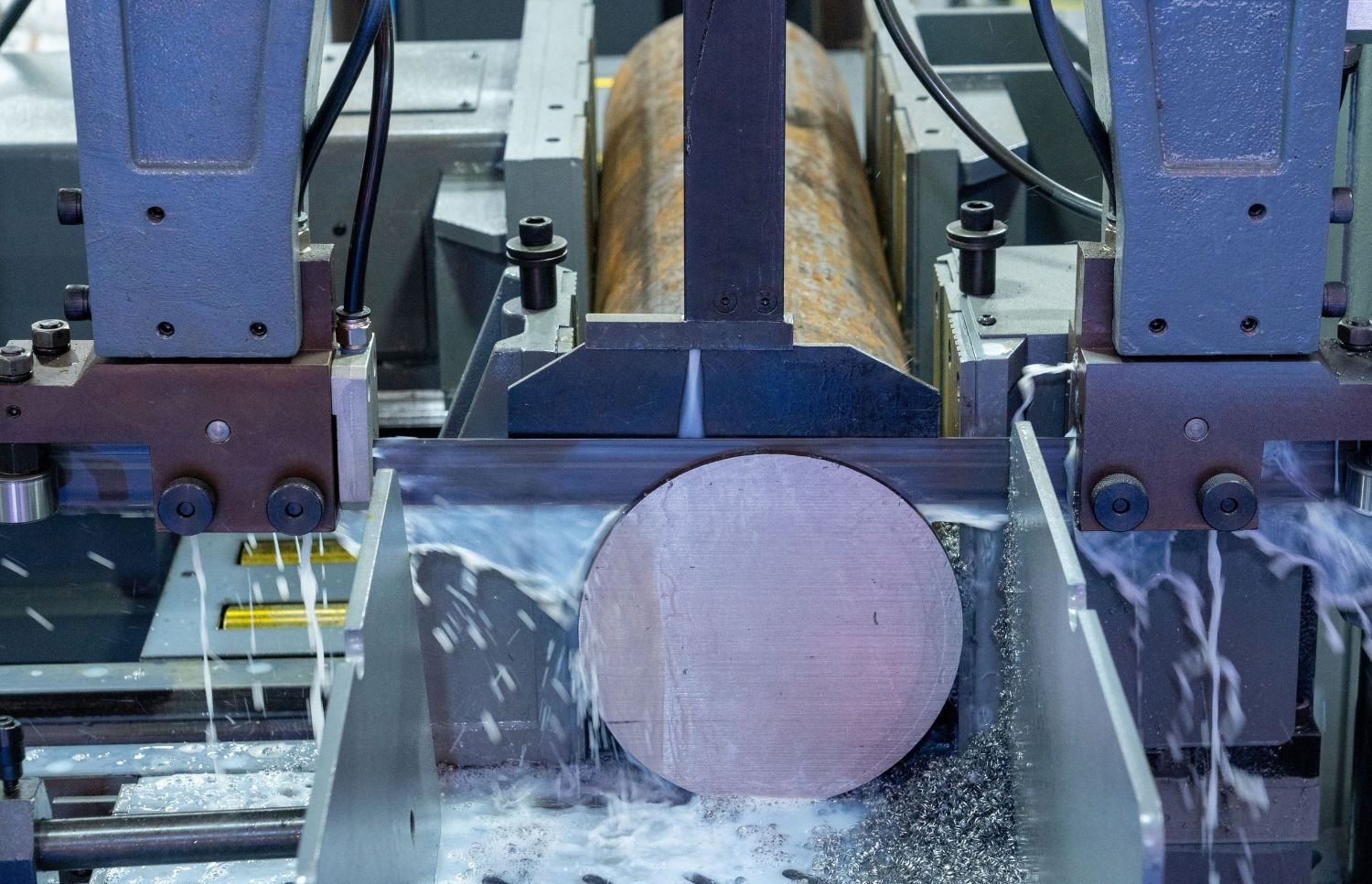
Machining performance depends heavily on the condition of cutting fluids during production runs. Effective coolant management helps reduce avoidable downtime across precision metalworking operations. Proper maintenance protects expensive tooling while supporting predictable production outcomes for busy shops.
Inconsistent fluid monitoring can cause unexpected machine stoppages during demanding machining cycles. Regular care keeps fluid mixtures stable and helps extend equipment service life. Implementing structured coolant management practices supports operational reliability while improving cost efficiency.
The Hidden Costs of Poor Fluid Maintenance
Fluid degradation creates performance issues that can quietly reduce daily shop productivity. Improper fluid maintenance contributes to thermal buildup at the tool-workpiece interface. Uncontrolled heat accelerates cutter wear, causes dimensional variation, and can force unscheduled tool changes.
Poorly maintained fluids can also generate rancid odors associated with uncontrolled bacterial growth. Microorganisms that colonize water-based metalworking fluids have been linked to occupational respiratory hazards for machinists, and a 2024 University of Cincinnati study shows how persistent the problem can be. After following a freshly recharged semi-synthetic fluid system at a US automotive parts plant for 50 weeks, researchers found it supported a highly diverse microbial community, including potential bacterial and fungal pathogens. They also found that standard dump, clean, and recharge practices were not effective at stopping microbes from returning. According to official metalworking fluid safety guidelines, compromised cutting fluids can create worker health concerns that affect shop performance. These issues may contribute to operator absences and unexpected interruptions.
Neglecting proactive coolant management also allows suspended tramp oils and fine metal particles to accumulate. Contaminated fluids can affect component surfaces, resulting in poor finishes that fail quality checks. Rejecting finished parts wastes materials, operator labor, and scheduled machine hours.

Monitoring Fluid Health for Peak Machining Operations
Routine tracking helps prevent fluid-related problems before they interrupt production. Machinists should verify fluid concentration levels regularly using a handheld optical refractometer. Maintaining the correct water-to-concentrate ratio supports consistent lubrication and heat dissipation.
Proper fluid monitoring involves several essential shop steps:
- Establish a daily schedule to measure and log fluid concentration levels.
- Check pH levels weekly using digital meters to identify potential biological activity.
- Skim tramp oil from sump surfaces to help maintain fluid condition.
- Remove chips and fine debris from filtration baskets to maintain steady flow.
- Refill sumps with pre-mixed fluid solutions rather than adding pure water directly.
Consistent monitoring helps operators catch changes before cutting performance declines. Systematic coolant management also supports machine protection while helping maintain tight dimensional tolerances.
Impact of Fluid Contamination on Tooling and Workpieces
Foreign contaminants inside the coolant sump can affect both cutting tools and workpieces. Hydraulic oils, tramp lubricants, and particulates disrupt the balance of water-mix fluids. A 2023 STLE metalworking fluids webinar identified tramp oil as one of the key failure mechanisms in water-dilutable fluids, noting that the more heavily fortified a leaking oil is, the more harm it can do to the emulsion.
Re-circulating fine metal chips through high-pressure coolant nozzles can damage delicate workpiece surfaces. Loose abrasive particles can also wear tool coatings and cause micro-chipping along primary cutting edges. Severe edge wear increases cutting resistance and can place additional stress on CNC spindle bearings.
Without systematic coolant management, inconsistent fluid application can contribute to thermal shock on carbide cutting inserts. Thermal shock can create micro-fractures that eventually lead to tool failure during a cut. Unexpected tool breakage can damage workpieces, delay production schedules, and require time-consuming setup resets.
Sustainable Practices for Extended Coolant Management
Extending fluid life requires disciplined daily upkeep rather than occasional corrective action. Continuous filtration removes particulates, helping keep cutting fluids clean and effective for longer periods. Proper maintenance can also reduce fluid disposal frequency, chemical waste, and disposal expenses.
Maintaining proper fluid pH helps prevent corrosion on exposed machine ways and precision tooling. Standard metalworking fluids generally operate within an alkaline pH range between eight and nine. Falling pH levels can indicate bacterial contamination and increase the potential for corrosion.
Proper coolant management helps reduce machine wear while preserving stable operating conditions. Clean fluids dissipate operational heat effectively, allowing tools to maintain performance under demanding loads. Structured maintenance routines protect equipment investments while helping control consumable fluid costs.
Operational Savings Through Strategic Coolant Management
Systematic fluid care can deliver financial benefits across high-volume machining operations. Extending cutting tool life reduces tooling consumption and associated procurement expenses. Operational reliability also improves when machines can run without unexpected fluid-related interruptions.
Proactive maintenance practices contribute to savings across several operational areas:
- Reduced tooling consumption lowers tooling costs per machined part.
- Extended fluid sump life decreases raw fluid purchasing and disposal costs.
- Reduced machine downtime improves equipment utilization across operational shifts.
- Stable cutting conditions help minimize part rework and material scrap.
- Controlled fluid misting supports shop cleanliness and can reduce air filtration demands.
Investing time in proactive fluid care can provide long-term value for shop operations. Effective coolant management offers a practical way to control expenses while supporting consistent productivity.
Optimizing Shop Efficiency with Tap Magic Solutions
Maintaining proper coolant condition supports dependable performance across demanding metalworking environments. Monitoring fluid concentration, removing tramp oil, and following routine maintenance practices can help minimize unexpected production stoppages. Effective coolant management helps manufacturers extend cutting tool life, protect machinery, and control operating expenses.
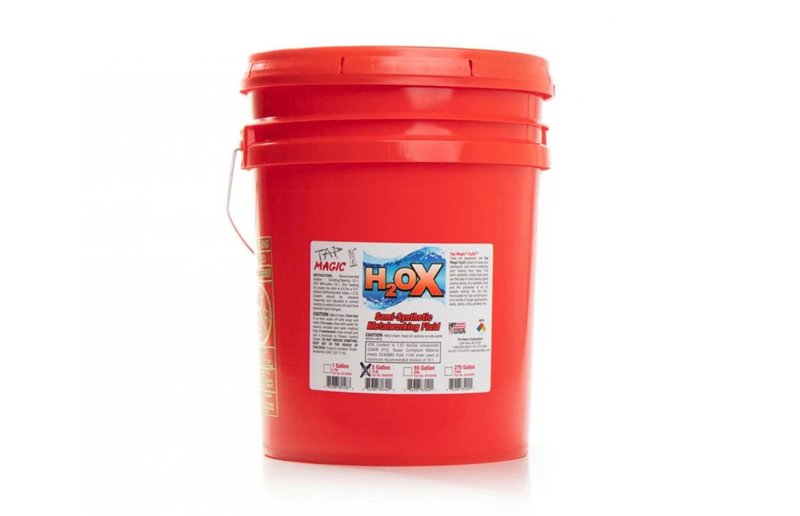
At Tap Magic, we deliver high-performance metalworking fluids engineered to support precision machining and continuous shop productivity. Our advanced coolant formulations provide heat dissipation and lubricity for challenging industrial applications. To learn how our premium fluid solutions can support your machining operations, get in touch with us today.