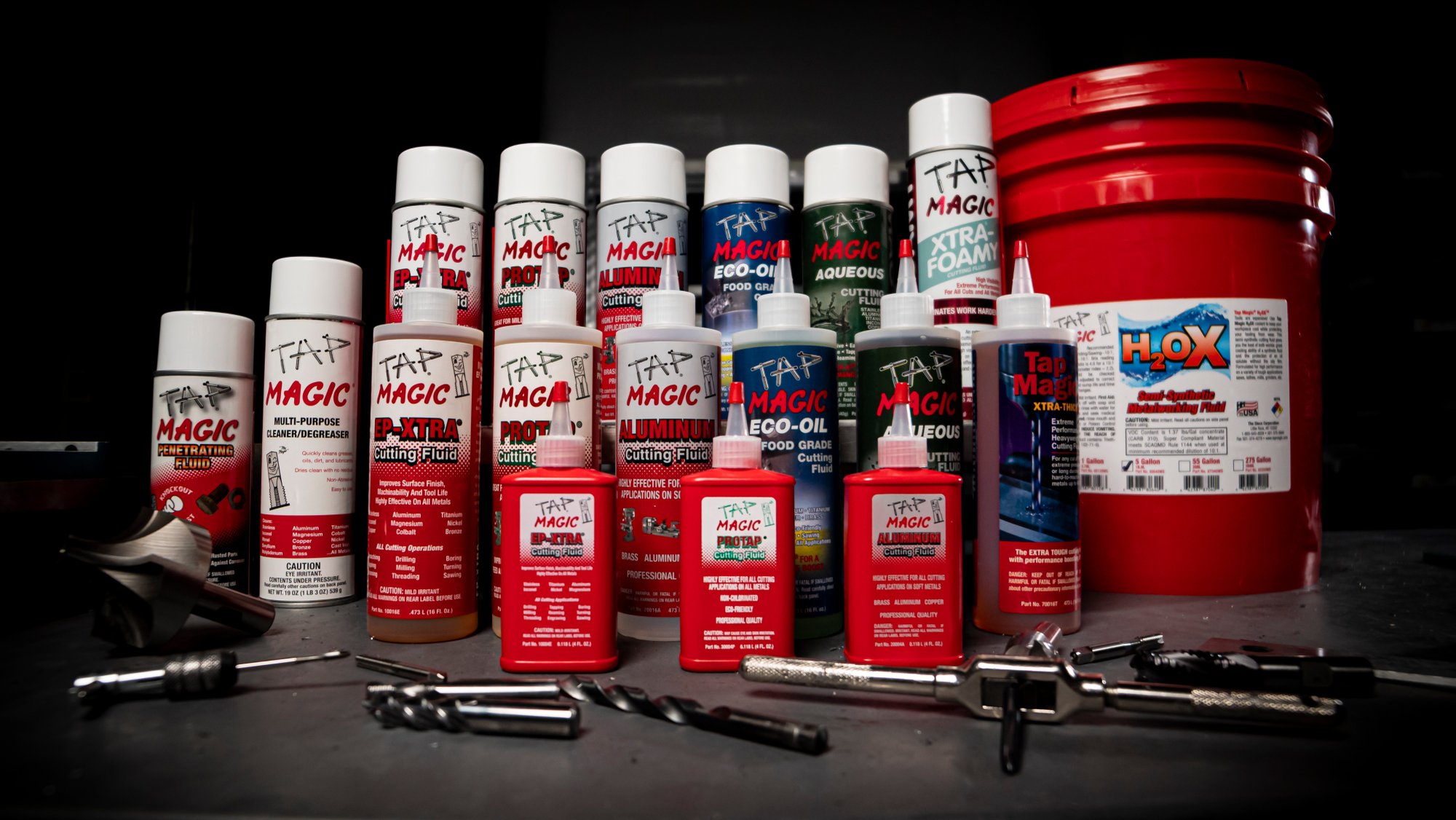
Strategic cutting fluid selection plays an essential role in optimizing shop output. Matching specific fluids to machinery helps protect expensive tooling while supporting consistent, high-quality production. Evaluating operation severity, material traits, and cooling demands allows shops to improve productivity.
Proper fluid choices also help reduce total shop expenses. Premium metalworking fluids support consistent machining results across every shift. Choosing the right lubricants can extend tool life and improve surface finishes without adding unnecessary complexity.
Cutting Fluid Selection for Machining Operations
Every machining process places unique mechanical and thermal stresses on cutting tools. Strategic cutting fluid selection ensures the fluid matches those operational demands. More than one million workers interact with industrial metalworking fluid systems during routine machining and manufacturing operations.
Workpiece material characteristics help determine the required balance between cooling and lubrication. Tough stainless steels work-harden rapidly, creating greater demands during cutting. Soft metals like aluminum may require non-staining fluids with effective chip-flushing properties.
Tooling materials and delivery systems should also guide the evaluation process. Carbide inserts can react differently to thermal shock caused by intermittent coolant application. Delivering the right fluid chemistry through spindle nozzles also supports effective cooling and chip evacuation.
How Fluid Characteristics Impact Precision and Tool Life
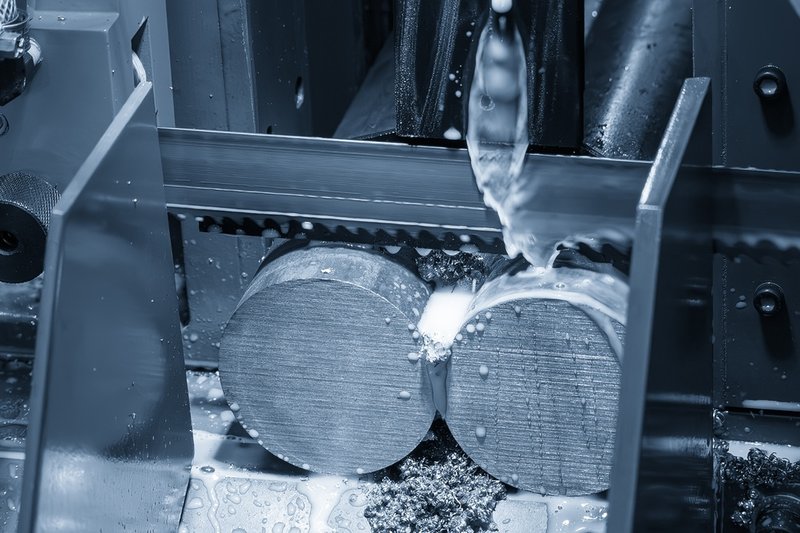
Heat generation and friction control influence how long a cutting tool retains its edge. Without adequate lubrication, friction creates thermal spikes that can damage tool coatings. Establishing routine coolant maintenance and risk management also helps control contamination and prevent avoidable process interruptions.
Surface finish quality depends partly on how effectively fluids control friction during cutting. Built-up edge occurs when metal particles adhere to the tool tip during machining. Proper cutting fluid selection helps reduce friction and limit these deposits across demanding cuts.
Fluids also help protect machine components and workpieces from rust and corrosion. Metalworking fluids may contain corrosion inhibitors that help safeguard iron and steel parts. Maintaining fluid stability supports reliable machine operation and reduces maintenance problems.
Simple Cutting Fluid Selection Steps for Evaluating Shop Requirements
Selecting the ideal fluid requires a practical evaluation of daily shop operations. Analyzing machining processes helps narrow down suitable fluid options. Evaluating equipment constraints then helps ensure compatibility across the manufacturing process.
Machinists should evaluate these factors when choosing metalworking fluids:
- Analyze primary machining operations, including heavy cutting and high-speed finishing.
- Categorize workpiece materials by machinability, thermal conductivity, and staining sensitivity.
- Audit coolant delivery pressure, filtration systems, and sump capacity.
- Evaluate local water hardness when mixing water-soluble concentrates.
- Assess operator handling requirements, safety preferences, and shop ventilation.
Following a systematic evaluation process helps shops identify reliable products for specific applications. Proper cutting fluid selection can support machine performance while maintaining practical shop-floor requirements.
Avoid Unnecessary Costs Through Smart Fluid Choices
Inappropriate fluid choices can introduce hidden expenses that erode job profitability. Using low-lubricity fluids during heavy tapping, for example, can contribute to tap breakage and scrapped parts. Strategic cutting fluid selection helps prevent these avoidable disruptions and keeps production moving.
Excessive maintenance and frequent sump changes can also increase labor and material costs. Unstable fluid emulsions may separate when exposed to tramp oil during daily operations. Choosing stable, high-performance fluid solutions can help reduce unnecessary maintenance and chemical consumption.
Optimizing cutting fluid selection can improve productivity and component consistency. Matching fluid formulations to specific cutting operations helps protect tooling under demanding mechanical conditions. Proper lubrication also reduces frictional heat, supporting longer tool service life.
Smart Maintenance Practices Drive Long-Term Value
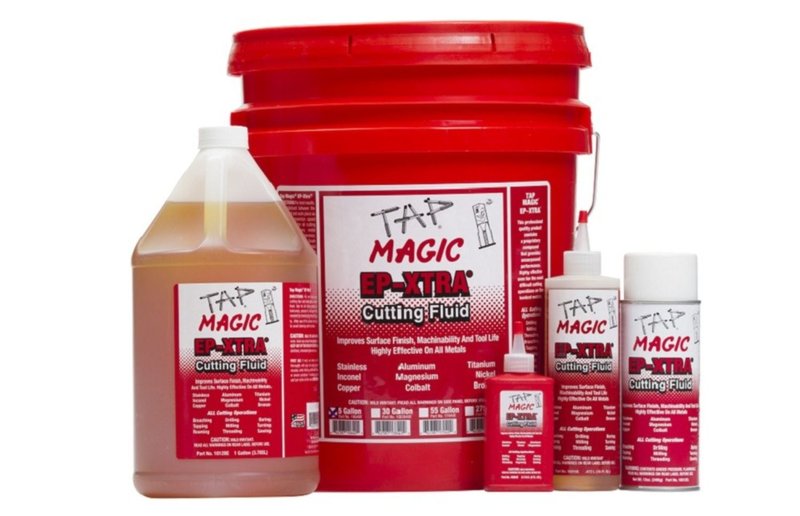
Choosing the right metalworking fluid can help reduce tooling wear and improve machining consistency. Machine shops can build on those benefits through standardized maintenance routines. Protecting expensive machinery while maintaining fluid performance supports reliable production over time.
Shops can achieve practical benefits by following proactive fluid management practices:
- Extending tool life reduces replacement costs and minimizes setup adjustments.
- Clean-cutting fluids support surface finishes and can reduce polishing or rework.
- Stable fluid chemistry can reduce odor, sump maintenance, and disposal requirements.
- Reliable corrosion protection helps prevent rust on finished parts and machine components.
- Effective heat dissipation can support higher cutting speeds and feed rates.
Consistent fluid management helps maintain performance throughout demanding production cycles. Careful cutting fluid selection provides the foundation for that long-term reliability.
Strategic Fluid Selection Drives Lasting Machining Performance
Effective cutting fluid selection starts with understanding the demands placed on tools, workpieces, and equipment. Choosing products suited to those conditions helps shops maintain consistent output across production runs. Strategic fluid management supports precision, surface finish quality, and predictable machining performance.
At Tap Magic, the team helps manufacturers optimize cutting fluid selection for demanding machining applications. Their experienced specialists provide practical guidance for addressing challenging cutting and lubrication needs. Connect with the team to find high-performance lubrication solutions suited to your requirements.