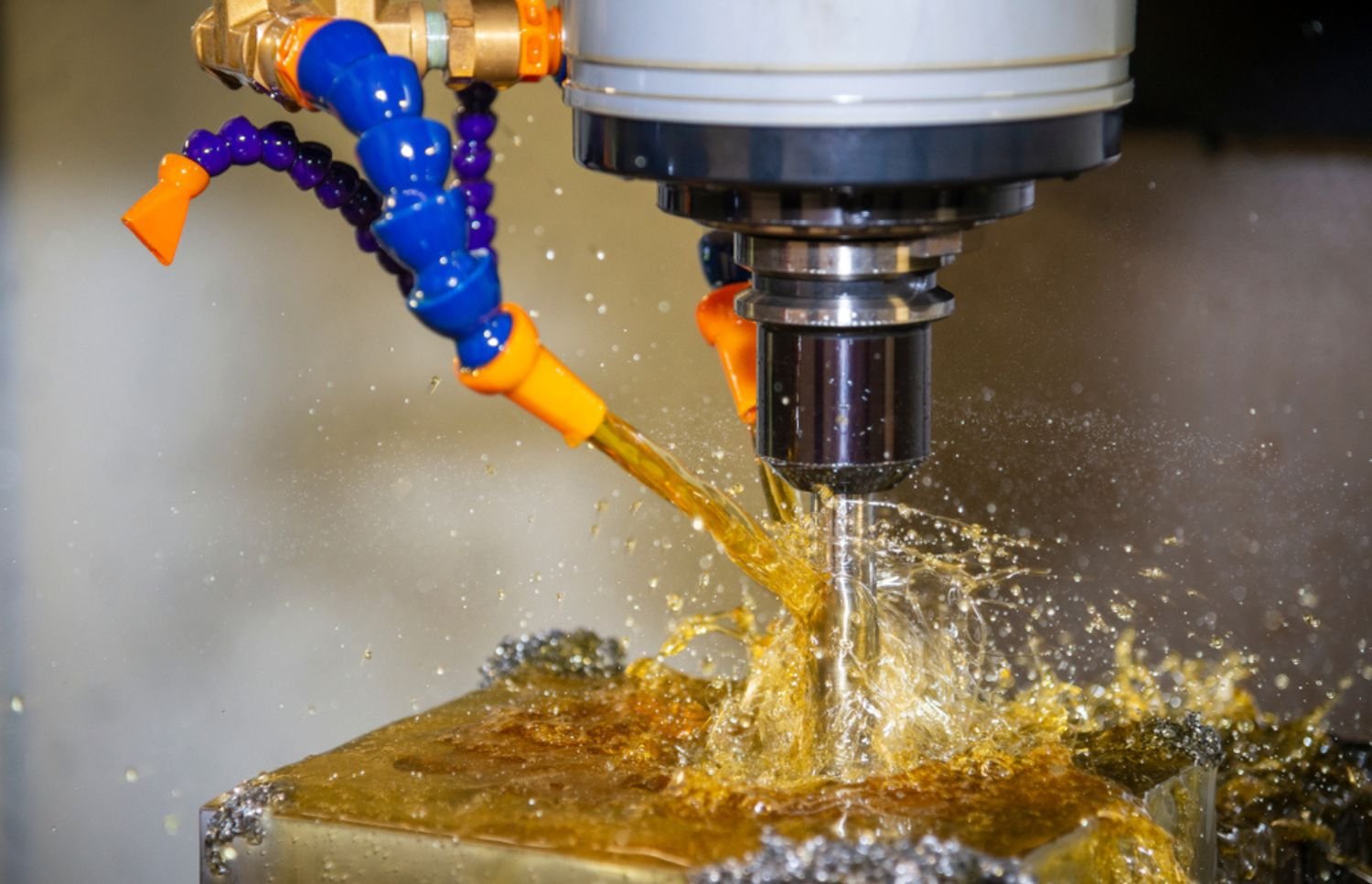
Selecting the right cutting fluid to control tool wear helps machinists keep daily tooling costs down while protecting customers’ parts. Intense heat at the cutting edge can break down carbide inserts quickly, causing premature edge wear during production runs. Steady cooling helps maintain dimensional tolerances, allowing shops to produce precise components without constant machine adjustments.
Machinists deal with shortened tool life when friction and heat accelerate edge damage. Excessive friction can damage tooling, forcing operators to stop spindles and swap inserts mid-job. Applying quality fluids helps control friction and heat, allowing tools to last longer while keeping tooling expenses more predictable.
Thermal Friction Dynamics and Tool Wear in Metal Cutting
Cutting tough metals generates friction that turns into extreme heat at the tool edge. Left unmanaged, thermal buildup can soften inserts, causing flank wear and microscopic chipping. As heat weakens the cutting edge, surface finishes can suffer and finished workpieces may fall outside required dimensions.
Targeted fluid delivery mitigates aggressive wear mechanisms during heavy passes, helping prevent severe tool wear on tough alloys. Researchers at the McMaster Manufacturing Research Institute saw this firsthand when turning a high-strength aerospace titanium alloy under several cooling methods. Their best-performing tool, run under high-pressure coolant, lasted 28% to 170% longer than the other tool materials tested, leading the team to conclude that the right pairing of coolant and tooling extends tool life and improves surface quality. Keeping thermal zones under control protects expensive inserts and helps machine shops keep jobs moving. Managing heat expansion also supports steady cutting performance through demanding stainless and steel stock.
A continuous stream of fluid carries thermal energy away from the cutting zone, reducing the conditions that can contribute to micro-cracks across carbide surfaces. Stable temperatures help protect tool geometry, allowing CNC operators to maintain tight print dimensions. Controlling thermal friction therefore reduces unnecessary tool wear while helping prevent avoidable production interruptions.
Fluid Chemistry and Boundary Lubrication
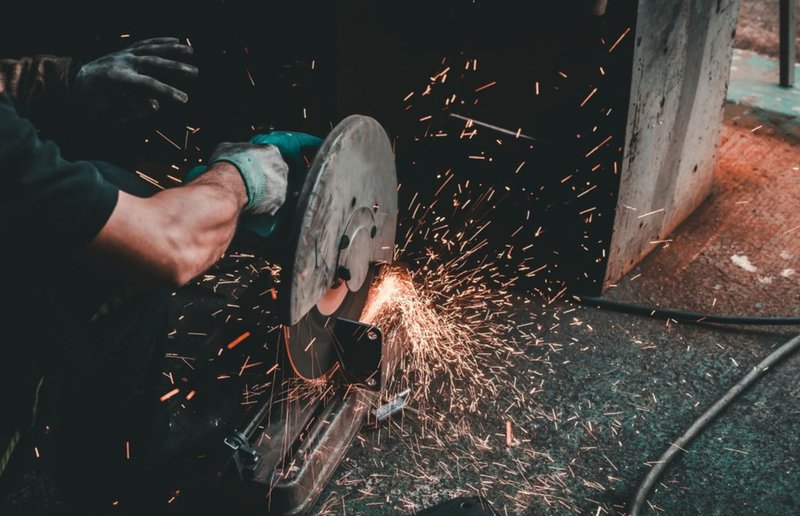
Cooling addresses heat, but lubrication also plays an important role at the point where the tool meets the workpiece. According to a 2024 review from McMaster University, stress in the cutting zone can reach 4 GPa while temperatures climb past 1000 °C, and severe friction and seizure are the leading causes of tool and workpiece failure. Applying high-performance cutting oil delivers a protective film to active tool contact points. Lubricity additives reduce sliding friction, helping keep the tool edge cooler under severe pressure.
Properly formulated fluid chemistry helps minimize direct metal contact under demanding pressures and heavy chip loads. Lower friction and operating temperatures help prevent edge breakdown, giving machinists more consistent cutting conditions. Reliable fluid protection keeps tool edges sharp and supports clean cuts throughout production.
A strong lubrication barrier can also help prevent metal chips from welding onto insert tips during heavy cuts. Reducing built-up edges improves surface finish quality and can limit the need for secondary polishing. Choosing the right fluid formulation keeps tools cutting smoothly while limiting severe tool wear across mulitple shifts.
Controlling Friction for Lowering Tool Wear
Managing friction at the cut protects insert tips from sudden temperature spikes and chipping. Proper fluid flow also carries hot metal chips away from deep cavities, helping prevent damaging chip recutting. With the cutting zone properly lubricated and cooled, operators can maintain productive speeds without unnecessarily shortening tool life.
Following smart fluid application practices helps shops protect tooling while keeping production moving:
- Match fluid types to specific metals to get the right balance of cooling and lubricity.
- Adjust fluid delivery pressure for deep-hole drilling, heavy milling, or high-speed turning jobs.
- Maintain recommended mixture ratios to help prevent insert edge failure and corrosion on machine surfaces.
- Clean fluid tanks regularly to remove fine grit that can cause abrasive wear on tools.
- Aim coolant nozzles directly at the cutting zone to maximize heat removal where chips form.
Directing fluid where it is needed most keeps tool wear more predictable and helps control machining costs. These practical adjustments protect tool edges while supporting consistent production.
Performance Consistency and Life Extension
Reducing physical stress on insert edges helps cutting tools last longer while maintaining tight part dimensions. Consistent fluid flow supports stable cutting conditions through long milling and turning jobs. Predictable tool behavior also means fewer offset adjustments, saving setup time and keeping operators focused on production.
Effective lubrication can provide several practical benefits on a busy machine shop floor:
- Longer insert life reduces tooling costs while extending time between insert changes.
- Stable cutting conditions help prevent dimensional drift and reduce scrap.
- Less machine downtime improves productivity by keeping equipment available for production.
- Controlled cutting temperatures help prevent edge chipping and unnecessary spindle vibration.
- Better chip clearing prevents chip packing and helps preserve smooth surface finishes.
Extending usable tool life reduces consumable spending while limiting tool wear during long production cycles. Healthy tool edges also support consistent part quality, helping shops maintain efficient workflows and dependable results.
Expenses Driven by Premature Tool Wear
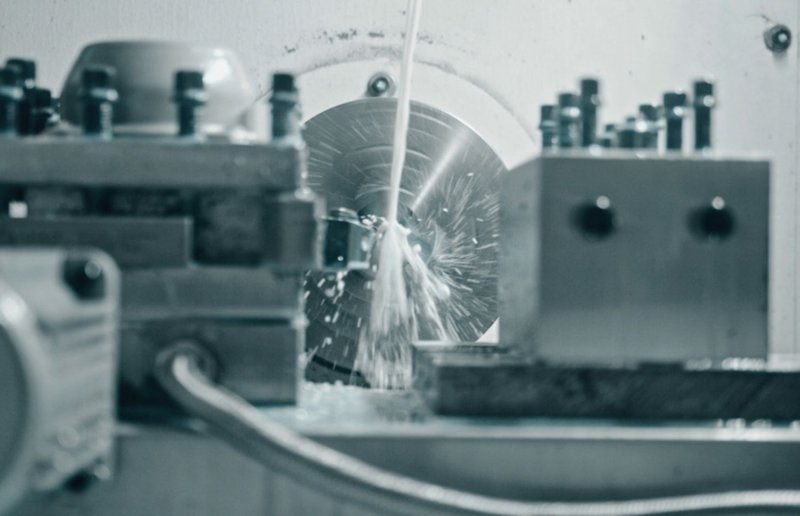
The cost of tool wear extends beyond replacing worn inserts. Inconsistent fluid maintenance can contribute to early tool failure, increasing daily machining costs and interrupting production. Repeated insert changes also consume operator time while reducing productive spindle hours.
Scrap can increase when dull inserts leave heavy burrs or torn surfaces on finished components. Unplanned tool purchases and lost machine time can further erode job margins. Preventing excessive tool wear helps shops keep machines productive and control operating expenses.
High tooling turnover can put additional pressure on operating budgets during busy manufacturing runs. Severe edge breakdown may also damage toolholders, fixtures, or workpieces when cutting tools fail unexpectedly. Managing tool wear through proper lubrication helps protect equipment while reducing avoidable machining costs.
Reliable Machining and Effective Cost Control
Controlling friction at the cutting zone helps limit tool wear while reducing unnecessary manufacturing expenses. Matching the fluid to the job supports longer insert life and helps minimize downtime during demanding production schedules. Keeping heat under control also protects part dimensions and supports consistent surface finishes across production batches.
At Tap Magic, our specialized cutting fluids help manage extreme heat and friction during demanding metalworking jobs. Decades of practical shop-floor experience go into lubricants designed to keep tools cutting smoothly and consistently. Selecting the right fluid solution can help your team maintain machining performance and control tooling costs, so connect with the team to learn more.