In modern manufacturing, managing shop expenses requires looking beyond initial purchase prices. True operational savings come from understanding how daily production decisions affect total machining costs. Focusing only on unit prices can conceal expenses tied to scrap, tool wear, and machine downtime.
Small adjustments in cutting parameters and fluid application can deliver meaningful operational improvements. Selecting high-performance lubricants protects carbide inserts and helps extend tool life. Optimizing everyday workflows helps shops achieve lower machining costs while preserving finish quality.
Lowering Machining Costs Through Total Cost Analysis
Achieving lasting savings in precision manufacturing requires evaluating total operating expenses rather than individual unit prices. Cheap cutting tools or bargain fluid options can create higher long-term expenses. Increased wear, unexpected tool failures, and frequent downtime can quickly erase initial savings.
Shops that track tooling consumption alongside cycle times can identify areas of unnecessary spending. Excessive heat and friction can damage expensive end mills before they complete their expected service life. Applying effective cutting fluids helps manage heat and protect cutting edges during demanding passes.
Strategic process planning also reduces indirect expenses that affect daily shop profitability. Lowering machining costs means limiting cycle interruptions, part rejections, and unnecessary maintenance. Dependable lubricants can support higher feeds while helping control heat during demanding operations.

Maximizing Tool Life to Control Machining Costs
Tool replacement is a recurring operating expense in precision metalworking facilities. Data on machining processes and tooling consumption shows why tool management deserves attention when controlling production expenses. Proper lubrication reduces wear during demanding metal removal operations and helps keep machining costs manageable.
Effective tooling management provides several benefits across modern shop operations:
- Prolonged cutting edge sharpness reduces replacement frequency during high-volume production runs.
- Lower friction at the tool-chip interface helps prevent built-up edge on carbide inserts.
- Stable thermal control helps reduce micro-cracking caused by temperature fluctuations during continuous cutting.
- Longer tool life reduces setup time associated with frequent tool changes and recalibration.
- Improved dimensional stability helps minimize scrap and material rework across production shifts.
Managing tool wear carefully improves reliability across complex machining operations. Extending tool life can reduce total machining costs while maintaining required workpiece tolerances.
Optimizing Cutting Fluids to Reduce Downtime and Maintenance
Unplanned machine downtime can quickly reduce shop productivity and increase operating expenses. Poor fluid management can contribute to sump stagnation, bacterial growth, and machine corrosion. High-quality lubricants and coolants help limit these issues and reduce avoidable maintenance interruptions.
Proper metalworking fluid maintenance helps preserve fluid performance in demanding production environments. In a 2024 Modern Machine Shop column on coolant care, machining expert John Miller recommends regularly monitoring water quality, concentration, and cleanliness. He notes that way lube, spindle oil, and small hydraulic leaks gradually find their way into coolant tanks, and that a skimmer can help extend coolant life. He also compares a coolant tank to a pond: when the fluid sits still, it turns scummy, so keeping it circulating during idle time helps prevent stagnation. Consistent fluid control keeps sumps cleaner and helps protect machine components.
Controlling fluid degradation reduces machining costs associated with unexpected machine stops. Effective lubrication limits friction around components such as spindle bearings, slideways, and tool holders. Proper maintenance protects equipment while supporting consistent production and finished-part accuracy.
Matching Lubricants and Tooling to Metal Applications
Every workpiece requires specific cutting conditions, thermal control, and lubrication properties. Using the same cutting fluid across different materials can limit tool performance. Tough alloys such as titanium and stainless steel generate significant heat and often require higher lubricity during machining.
Selecting fluids suited to the material and operation helps protect tools while supporting efficient material removal. Specialized extreme-pressure additives can provide additional protection at the tool-workpiece interface. Matching the fluid to the application helps limit unnecessary wear and workpiece damage.
Using the right lubricant for each operation can lower total machining costs across complex jobs. An optimized cutting environment can support higher feed rates without sacrificing part quality. Matching application requirements with fluid performance helps balance production speed and tooling protection.
Streamlining Machining Efficiency for Long-Term Value
Improving machining efficiency requires coordinating spindle speed, feed rates, depth of cut, and coolant delivery. Improper speeds can increase friction and accelerate insert wear. High-performance lubricants can support demanding speed parameters while helping maintain stable temperatures at the cutting zone.
Targeted efficiency improvements can create more stable and predictable cutting processes:
- High-pressure coolant application can flush chips from deep cavities during heavy milling operations.
- Balanced fluid concentrations help prevent workpiece staining and reduce secondary cleaning.
- Proper lubrication can reduce spindle torque requirements and energy use per component.
- Reliable fluid delivery helps control thermal expansion and maintain dimensional tolerances.
- Strategic process adjustments can reduce chatter and improve surface finishes without additional polishing.
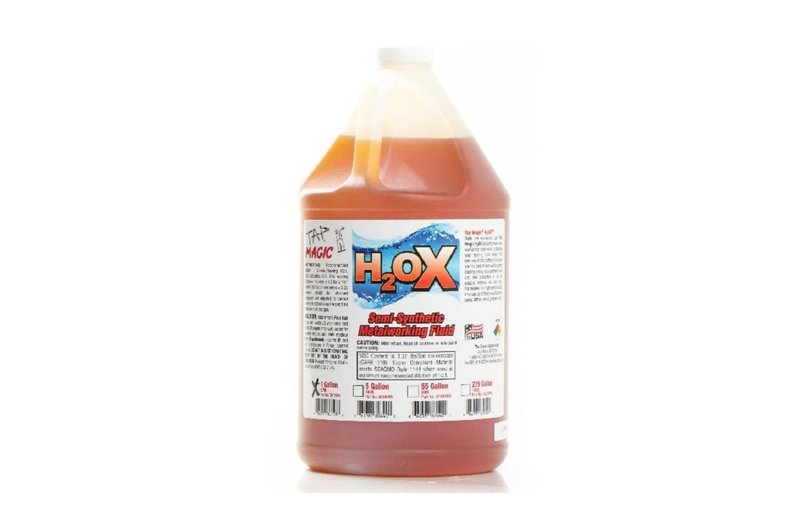
Maximizing throughput while controlling tool wear helps lower machining costs across longer production schedules. Consistent processes also give shops greater control over quality, maintenance, and production efficiency. By allocating a small portion of your budget to premium lubricants, they can add significant profit to your bottom line.
Practical Solutions to Lower Machining Costs
Lowering machining costs requires evaluating the value of the entire process rather than focusing only on supply prices. Prioritizing tool life, fluid performance, and machine uptime helps shops reduce avoidable expenses. Sustainable savings come from predictable cutting performance, lower scrap rates, and longer-lasting tooling.
At Tap Magic, we develop high-performance metalworking lubricants designed to maximize tooling life and operational efficiency. Our engineered cutting oils and coolants help machinists reduce friction, manage heat, and lower machining costs. Connect with the team to learn how our lubricants can support more efficient shop floor performance.