


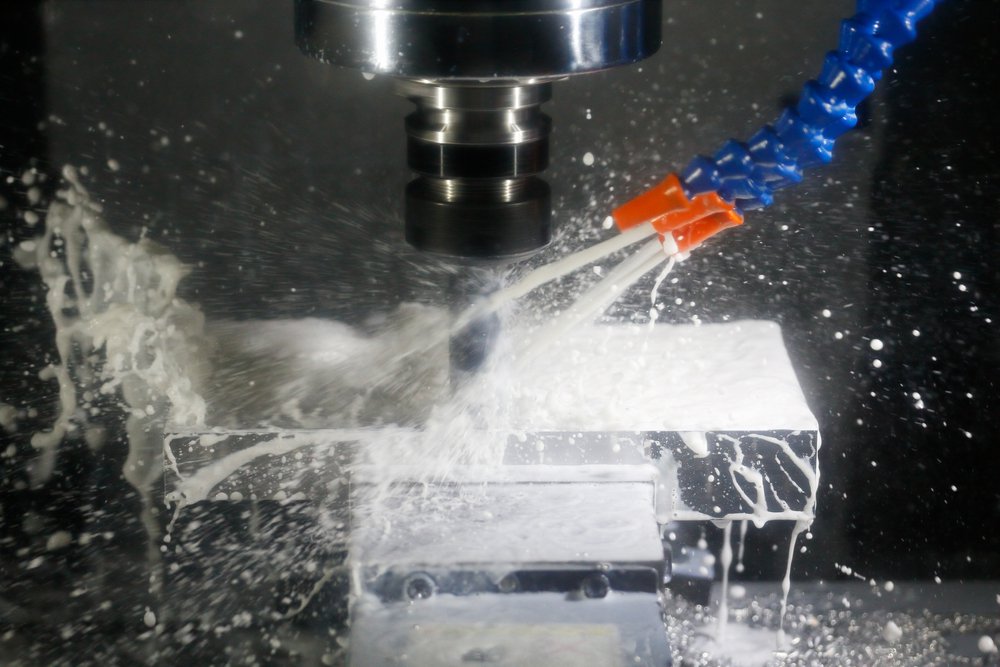
Many machine shops process specialized metal workpieces to create precise industrial components. Selecting the right cutting fluid remains crucial when machining aluminum to ensure excellent finishes. Proper lubrication supports stable machining conditions while helping maintain consistent production quality.
Heat generated at the cutting zone can affect machining accuracy and interrupt production efficiency. Premium metalworking fluids improve cutting performance while supporting reliable day-to-day operations. Making a careful choice also protects valuable equipment and reduces unnecessary downtime.
Understanding Key Characteristics of Aluminum Machining
Machining aluminum requires fluid properties that can manage heat while maintaining consistent cutting performance. Soft alloys transfer heat quickly and can become difficult to machine without adequate lubrication. The right fluid helps maintain stable cutting conditions throughout production.
A well-formulated cutting fluid reduces cutting resistance and promotes smoother tool movement. One study on milled 7050 aluminum recorded cutting force dropping by roughly 43 percent. Lower friction decreases machine load while helping preserve the appearance of finished parts.
Operators should choose formulations that remain clean throughout extended production runs. Routine fluid maintenance helps preserve machining consistency from one batch to the next. Reliable lubrication supports dependable quality while reducing unnecessary interruptions.
Overcoming Chip Adhesion in Aluminum Machining
Excessive heat can cause aluminum chips to weld onto cutting edges during machining. This built-up edge reduces cutting efficiency and affects part quality over time. Proper lubrication helps prevent metal from sticking to the tool.
Specialized metalworking fluids reduce friction between the cutting tool and workpiece. Cleaner cutting edges produce smoother finishes while lowering the risk of scrap. Stable cutting conditions also improve machining consistency during longer production runs.
Efficient chip evacuation keeps loose material away from the cutting zone. Continuous chip removal prevents recutting that can damage both tools and finished parts. Clear cutting paths allow equipment to operate more consistently throughout production.
Fluid Properties for High-Speed Aluminum Milling
High-speed milling places significant demands on both tooling and coolant performance. Accordingly, cutting fluids must transfer heat efficiently to maintain stable operating temperatures. Water-soluble coolants perform well in applications that require continuous cooling.
Maintaining the proper coolant concentration supports consistent lubrication at higher spindle speeds. One high-speed milling study linked a water-soluble fluid to 38 percent lower flank wear. High-speed machining also benefits from formulations that resist foam formation.
Excessive foaming restricts coolant circulation and reduces overall cooling efficiency. Stable formulations maintain reliable fluid flow through high-pressure delivery systems. Modern machining operations depend on uninterrupted coolant performance to sustain productivity.
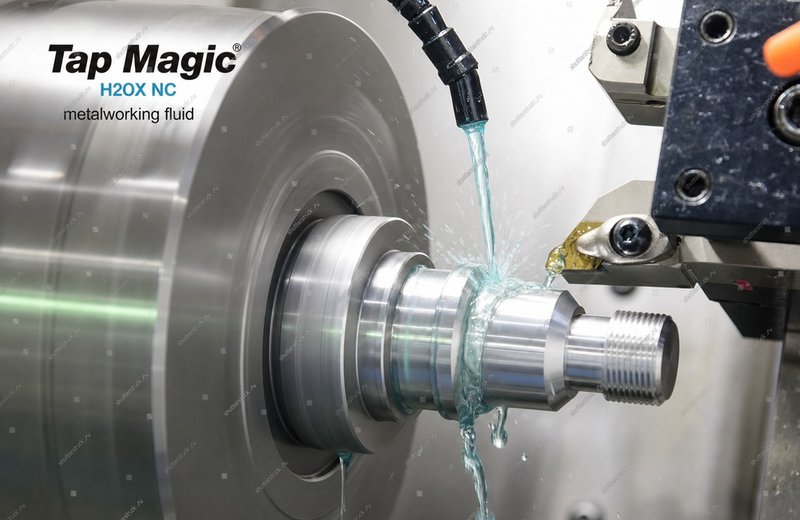
Lubrication Requirements for Heavy Drilling Operations
Deep hole drilling presents unique challenges involving lubrication and chip removal. Friction increases as the drill travels farther into the workpiece, creating higher cutting loads. High-lubricity fluids help reduce torque while supporting smoother drilling performance.
The following fluid characteristics help support demanding drilling applications:
- Extreme pressure additives provide dependable boundary lubrication under heavy cutting loads.
- Durable lubricating films reduce metal-to-metal contact throughout long drilling cycles.
- Consistent fluid delivery reaches deeper cutting zones where lubrication is needed most.
- Effective chip evacuation keeps debris moving through deep holes without clogging.
- Stable lubrication supports accurate feed rates throughout extended drilling operations.
Ultimately, the right drilling fluid improves process stability from entry to breakthrough. Machinists can produce cleaner, more consistent holes when machining aluminum workpieces.
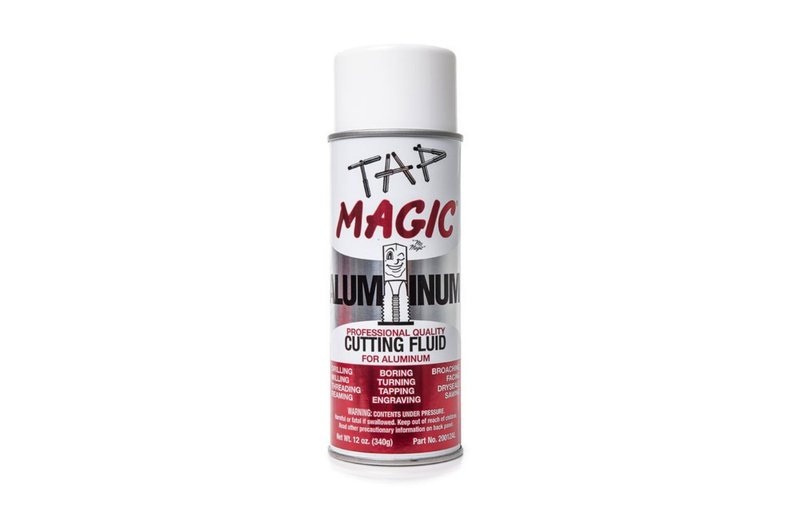
Critical Factors When Selecting Metalworking Fluids
Choosing the correct metalworking fluid requires evaluating several important operating conditions. Every machining shop has different equipment, materials, and production priorities. Matching the fluid to the application helps achieve reliable machining performance.
Consider these factors when comparing metalworking fluids:
- Lubricity levels should match the demands of the metal removal operation.
- Water quality influences the stability of water-soluble cutting fluids.
- Corrosion inhibitors help protect sensitive alloys from staining and surface damage.
- Biological resistance keeps the fluid cleaner and minimizes odor development.
- Safe formulations improve operator handling and simplify disposal practices.
Evaluating these characteristics helps shops choose fluids that fit their machining requirements. In the long run, selecting the appropriate fluid for aluminum supports dependable productivity and consistent machining results.
Selecting Fluids for Long-Term Machining Success
Successful metalworking operations rely on matching the right fluids to specific industrial applications. The proper formulation supports consistent machining performance while helping maintain reliable production quality. Shops that invest in quality cutting fluids can improve efficiency across a wide range of aluminum applications.
At Tap Magic, we engineer specialized lubricants to handle demanding aluminum machining processes. Our premium industrial formulations provide dependable performance across drilling, milling, and other precision machining operations. Explore our cutting fluid solutions to find the right product for your next machining project.