


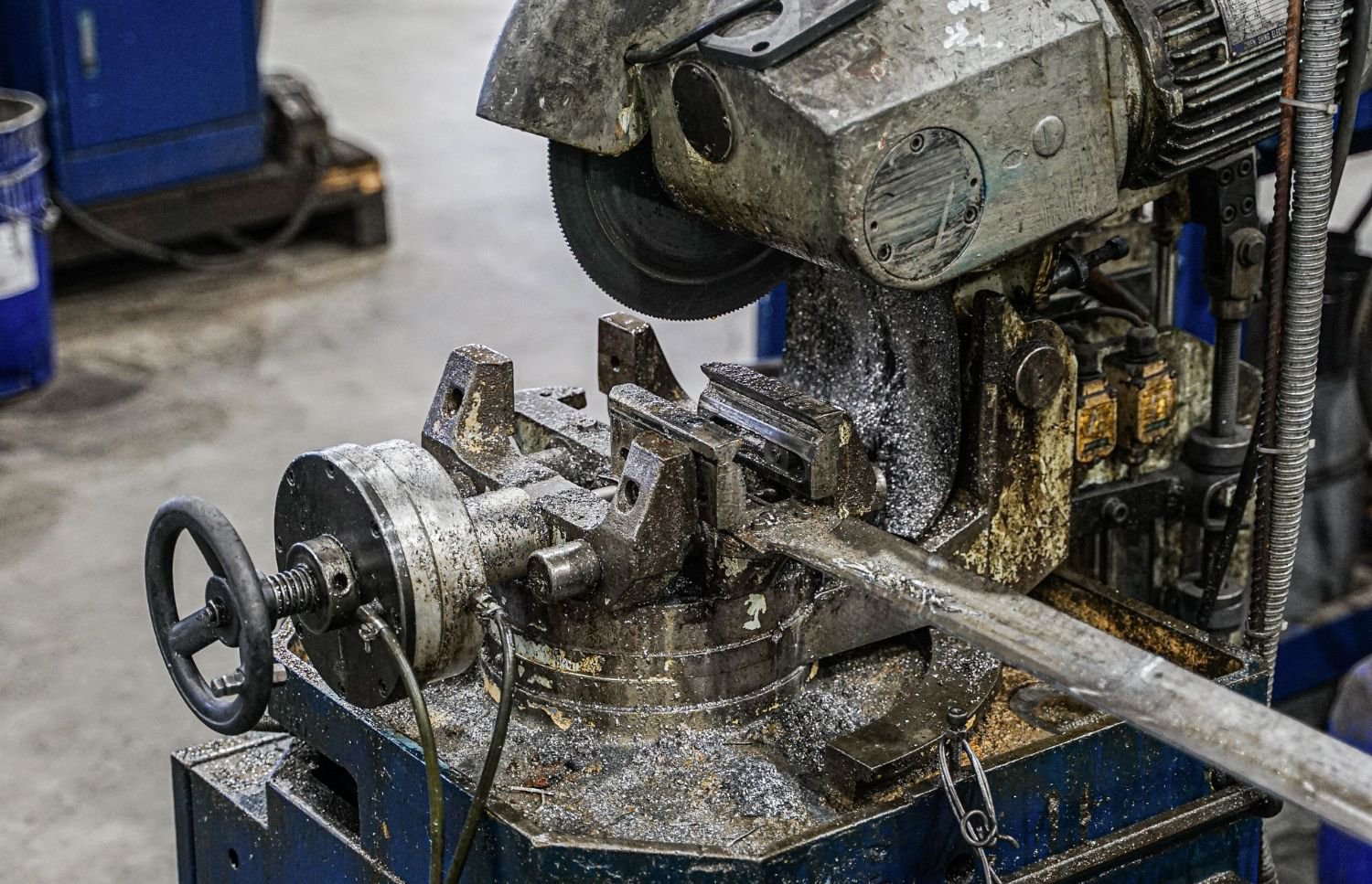
Ask any machinist about their worst days; coolant issues usually make the short list. Water-soluble fluids do the heavy lifting in most shops, pulling serious heat off the cut. When the chemistry drifts, though, you start seeing it in rough finishes and wrecked schedules.
Let that fluid break down, and your tools pay for it, wearing out long before they should. The good news is that most of these problems are predictable once you know the signs. Learn to handle the common ones: your floor stays productive, safe, and running on time.
Identifying and Managing Severe Coolant Issues
Foreign substances frequently enter your machine reservoirs during high-volume industrial production runs. Hydraulic fluids and way lubes continually leak into systems, creating thick surface layers. This unwanted oil blanket blocks oxygen, which allows anaerobic bacteria to thrive very quickly.
Machinists can easily spot early signs of contamination by watching for these indicators:
- Thick, floating oily films accumulate across the top of the fluid reservoir.
- Dark, discolored liquid mixtures that deviate from the original clean emulsion color.
- Strong, sulfurous smells resembling rotten eggs emanate from the stagnant sump areas.
- Rapidly dropping pH levels were measured during routine weekly machine fluid assessments.
- Fine grey sludge is building up along the bottom of fluid return trays.
Unchecked contamination quickly accelerates severe coolant issues across automated manufacturing lines. Eliminating floating tramp oils early preserves optimal lubrication performance during heavy cutting operations.

How Improper Concentration Levels Cause Coolant Issues
Getting your water-to-concentrate ratio right is one of those small things that pays off big. Water evaporates out of the sump all day, so the mix slowly creeps too rich. Running it too strongly can burn through product while inviting skin irritation on your operators.
A mix that's too rich also leaves a sticky film on your machine surfaces and fixtures. Go the other way with too much water, and the weak solution opens the door to rust. As Monroe Fluid notes, a thin mix gives you too little lubrication and weak corrosion protection.
Keep a handheld refractometer nearby, then check your ratio at the start of every shift. Let that balance drift, then watch the coolant issues pile up, quietly eating your profit. Hold the right ratio to keep your tools sharp, sparing yourself from pouring money down the drain.
Controlling Excessive Foam Generation in High-Pressure Systems
Once you start pushing coolant through a high-pressure system, foam can become a real headache. That foamy layer builds up when air gets whipped into the fluid with no way to escape. All that trapped air blocks the fluid from reaching the edge, so the tool runs hot.
Foam also spills over the tank, leaving a slick mess that's easy to slip on. Soft water tends to make it worse, since the bubbles form and hang around longer. Low sump levels and worn pump seals pull air in too, which feeds the whole problem.
Tracking foam down means walking your fluid delivery setup and checking it piece by piece. Let it run wild, you'll see the coolant issues show up in your surface finish. Close off where the air sneaks in, and your tools get a steady, solid stream again. It also helps to use a premium coolant that has a good defoamer additive.
Eliminating Unpleasant Odors Through Proper Sump Aeration
That rotten smell of the sump usually means bacteria have taken hold in your fluid. It shows up most often on Monday, after the machines sat quiet all weekend long. While the fluid sits still, bacteria multiply freely and start giving off those sulfur gases.
Nobody wants to work next to a sour-smelling sump, and morale takes a hit fast. That stink is also your fluid telling you the chemistry is starting to break down. Catch a smelly sump early, before the mix turns acidic and goes after your machines.
Getting oxygen into the reservoir keeps the anaerobic bacteria from running wild down there. Bubble a little air through the fluid over the weekend to keep the emulsion healthier. Coolant issues will take over your whole shop floor if you let a sump sit stagnant.
Resolving Operational Coolant Issues with Daily Habits
Establishing structured daily maintenance routines keeps water-soluble cutting fluids performing perfectly on the floor. Consistent small efforts made before manufacturing shifts begin prevent catastrophic fluid breakdowns later. Operators who take ownership of fluid quality experience far fewer operational surprises.
Operators should follow this structured checklist every morning to guarantee optimal system health:
- Measure fluid concentration ratios daily using a clean, calibrated handheld refractometer.
- Remove floating hydraulic oils using automatic belt skimmers or specialized absorption pads.
- Wipe away abrasive metal chips accumulating inside the fluid return tray zones.
- Top off the sump volume using correctly proportioned, pre-mixed fluid solutions only.
- Record all daily measurement parameters onto a tracking sheet near the machine.
Diligently following these basic procedural steps avoids frustrating coolant issues that stall production. Clean solutions provide dependable thermal protection, which directly supports exceptional workpiece dimensional accuracy.
Protecting Machine Components from Corrosive Fluid Breakdown
When fluid breaks down, it leaves your machine's metal wide open to rust damage. Once the rust inhibitors give out, bare iron surfaces start oxidizing faster than you'd think. Your linear guides and precision ball screws lose that smooth travel as corrosion creeps in.
That rusty buildup wrecks your accuracy and leaves the machine binding up where it should glide. Swapping out precision parts like these means real downtime and a repair bill that stings. Acidic fluid makes it worse, eating protective paint and chewing through your rubber seals.
As Production Machining points out, a fluid that runs too lean stops protecting your parts from rust. Keep the chemistry stable so those inhibitors quietly do their job in the background. Let corrosive breakdown set in, then the coolant issues start eating your machine from the inside.
Achieving Long-Term Machining Consistency
Effective fluid management remains essential for resolving frustrating coolant issues before they expand. Consistent monitoring prevents rapid biological growth and maintains necessary lubrication during heavy cuts. Implementing daily maintenance checks preserves your fluid investment and protects internal machine mechanisms.
At Tap Magic, we engineer premium metalworking fluids that deliver exceptional chemical stability. Our industrial lubricants provide reliable performance under the most demanding workshop manufacturing conditions. Discover how our high-performance solutions eliminate recurring coolant issues by visiting our website.