


You can usually smell a neglected sump before you even reach the machine. Coolant maintenance often slips down the priority list when the shop gets busy. Unfortunately, neglecting it can lead to poor fluid performance, premature equipment wear, and higher operating costs.
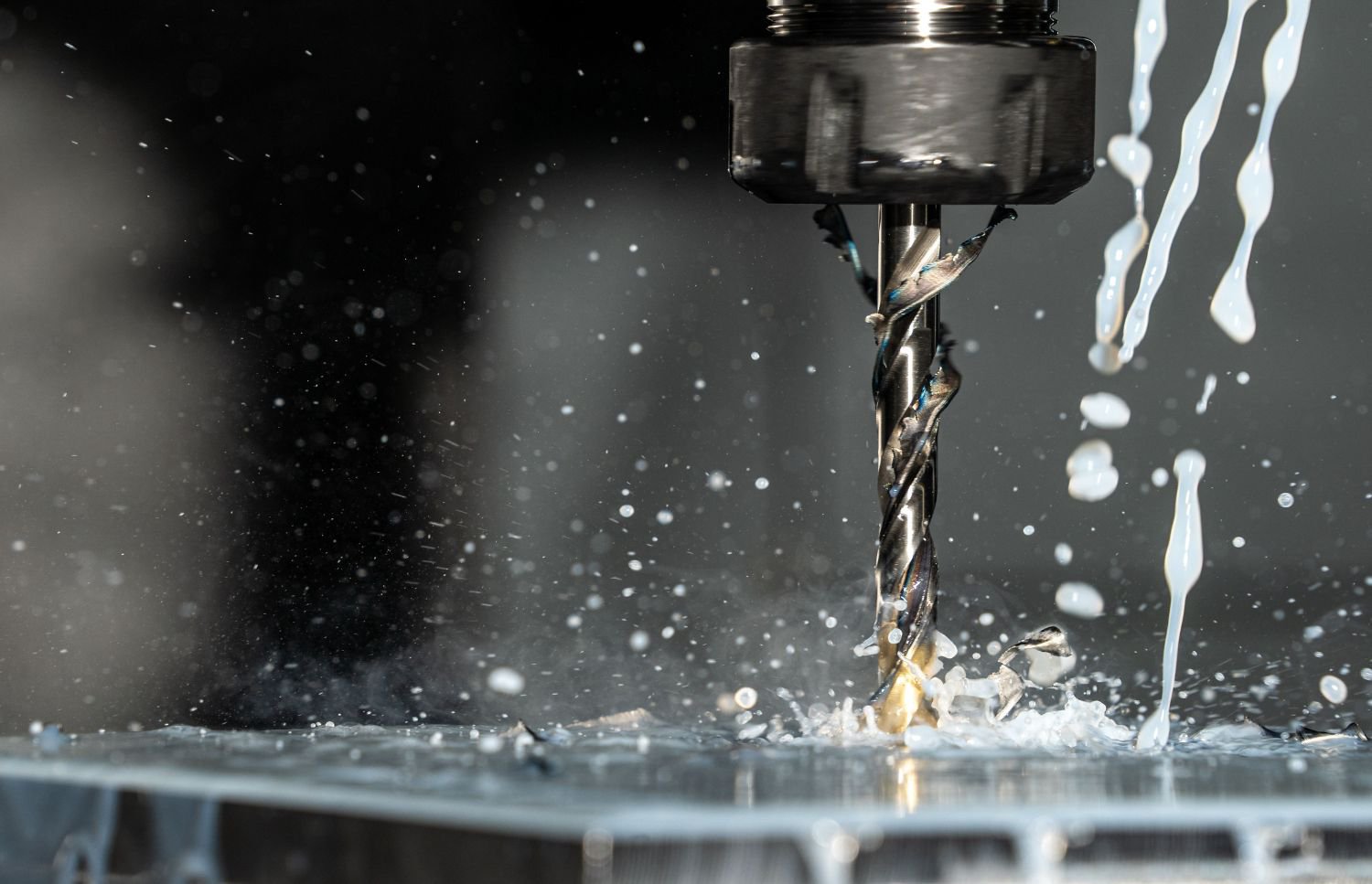
Regular coolant checks help maintain consistent fluid quality and reliable cooling, even during demanding operations. The payoff is cleaner parts, longer tool life, and fewer production issues. If coolant is left unchecked, it can turn rancid, lose its lubricity, and create problems that are far more expensive to fix.
Understanding the Operational Costs of Fluid Neglect
Heat is what kills expensive carbide tools when you're pushing hard through fast milling. Good coolant maintenance takes the edge off thermal shock, so tools don't crack and fail early. Let temperatures run wild, and the metal expands, pulling your finished dimensions out of spec.
Every tool that dies before its time is money you're handing over for no reason. Worn-out fluid speeds up the abrasive wear that eats the cutting edges on your tooling. A controlled study in the journal Materials found that the better fluid cut edge wear was reduced by roughly a quarter.
Poor chip evacuation drains you quietly too, since trapped chips get recut, chewing up tool life. Add all these problems together, a neglected sump soon starts costing you real production time. Stay on top of fluid health to hold your edge over the shop down the road.

Why Coolant Maintenance Protects Machine Components
When your fluid chemistry drifts, corrosive residue starts forming right on your machine ways. Staying on top of coolant maintenance keeps rust off the parts inside your CNC centers. Moisture left sitting eats into precision-ground surfaces, robbing the smoothness from your axis movement.
Holding the right chemical ratios protects the serious money you've sunk into your machines. Check your fluid daily to look after the seals and the pump guts too. When concentration climbs too high, sticky residue starts building up inside your fluid lines.
That gunk eventually blocks the lines, starving the cut of fluid right when it matters. Good lubrication also keeps automated tool changers swapping smoothly through long production runs. Stay on top of your fluid to head off surprise breakdowns and ugly repair bills.
Monitoring Ratios with Refractometers for Coolant Maintenance
A handheld refractometer gives you a quick, accurate read on where your concentration sits. Good coolant maintenance comes down to keeping that number inside the range your fluid calls for. Run it lean, you lose lubrication; run it rich, your operators get skin irritation.
The SME metalcutting fluids guide lists the refractometer as the tool for checking concentration. Calibrate it with clean water first, then take your reading off the shop fluid you're running. Build the habit early, so catching a drifting mix becomes second nature for you.
Water evaporates out of the sump all day, so the ratio keeps wandering off on its own. Top it up with pre-mixed fluid instead of plain water to avoid wild concentration swings. Hold that ratio steady, and your finishes and part dimensions stay predictable through a long run.
Essential Tools Required for Modern Coolant Maintenance
A well-run shop keeps a few dedicated tools on hand to make fluid care quick. Most coolant maintenance routines start with checking pH using test strips on a regular basis. Keeping pH somewhere around eight to nine holds back the bacteria that sour your sump.
A sudden drop in alkalinity is usually one of the first signs that something is off with your fluid. Automated mixers keep the concentration consistent every time, so topping off is simple and reliable. When fluids are mixed by hand, it's much easier to end up with variations that affect performance from one station to the next.
Always pour your concentrate into the water, never the water into your concentrate. Flip that order, and you get an unstable emulsion that won't lubricate your tools right. A good mixing setup pays you back in steadier quality and longer fluid life.

Practical Methods to Eradicate Tramp Oil Contamination
Tramp oils leaking from machine way guides float directly on top of sumps. This film suffocates fluids, which creates a perfect environment for anaerobic bacteria growth. Machinists deploy specific oil removal equipment to sustain proper coolant maintenance during production.
Operators utilize these specialized filtration tools to remove non-emulsified oils from the system:
- Disc skimmers effectively lift floating contaminants from fluid surfaces during idle machine hours.
- Coalescers continuously separate fine oil droplets from emulsified mixtures using internal media packs.
- Oil-absorbent pillows placed inside sumps soak up hydrocarbons without removing valuable water.
- Centrifugal separators spin fluids rapidly to isolate heavy tramp oil contaminants from coolants.
- Surface skimmers draw top layers into filtration units for complete purification processing automatically.
Eliminating floating oil stops foul odor development and protects workers from dermatitis risks. Consistent coolant maintenance preserves machine capability while reducing expensive fluid replacement frequencies noticeably.
Simple Steps to Maintain Long-Term Fluid Cleanliness
Fine metal chips accumulating inside sumps rapidly degrade fluid performance over time. Particulate matter acts as an abrasive medium that ruins precision-finished workpieces. Implementing rigorous coolant maintenance prevents these suspended solid contaminants from negatively altering fluid properties.
Machinists deploy these specific cleaning steps to protect their systems from particulate accumulation:
- Chip conveyors remove large metal shavings automatically before debris settles to sump floors.
- Liquid vacuum systems quickly suction fine sludge out of tight sump corners easily.
- Bag filters trap microscopic metallic suspended particles down to ten microns or less.
- Magnetic separators extract dangerous ferrous particles from fluids before high-pressure pumping.
- Sump cleanouts performed periodically prevent dense sludge blankets from blocking critical fluid intakes.
Advanced filtration methods maintain fluid clarity and enhance overall workpiece dimensional repeatability significantly. Executing these cleaning procedures establishes an excellent foundation for superior long-term coolant maintenance.
Maximizing Workshop Efficiency Through Proactive Care
Establishing standard workshop habits preserves expensive machining infrastructure and enhances total manufacturing output. Consistent coolant maintenance remains a vital strategy for reducing overall industrial operating costs. Machine shops achieve excellent workpiece finishes when fluid quality receives close daily attention.
At Tap Magic, expert fluid engineering supports your facility with superior lubrication solutions. Our premium coolants are specifically formulated to streamline your ongoing coolant maintenance routines. Explore our high-performance metalworking fluid options online to protect your valuable workshop machinery.