


Machine shops regularly balance lubrication demands against heat control during precision machining operations. Selecting proper coolant solutions directly affects tooling durability, surface finishes, and machining consistency. Many production environments struggle choosing between neat cutting oils and water-based fluid systems.
Neat cutting oils provide stronger lubrication, while coolant systems focus heavily on temperature control. Different machining environments require fluid performance matching materials, tooling demands, and production workloads carefully. Consequently, understanding both options helps machinists improve reliability without adding unnecessary operational complications.
Understanding Neat Cutting Oils and Coolant Systems
Neat cutting oils contain undiluted lubricants designed to support demanding machining operations requiring consistent lubricity. Coolants typically combine water with additives to improve cooling efficiency during continuous machining processes. Moreover, both fluid types help control chips while protecting tooling during production machining operations.
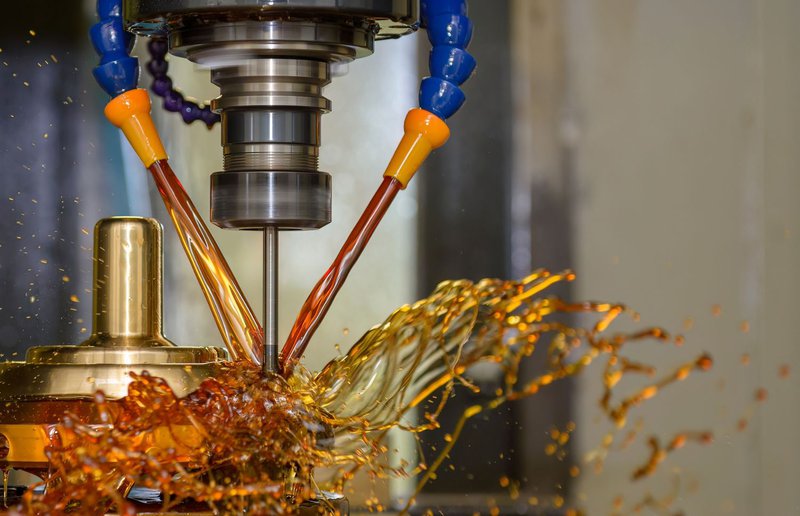
Water-based coolants reduce temperatures effectively during aggressive machining involving higher continuous spindle speeds. Neat oils help tools cut smoother while reducing friction during tougher machining applications. Therefore, machinists usually compare cutting speed, material hardness, and tooling requirements before choosing fluids.
OSHA explains metalworking fluids help lubricate and cool machining operations across industrial manufacturing environments. Automotive, aerospace, and heavy equipment facilities regularly rely upon metalworking fluids during machining operations.
How Lubrication and Coolant Performance Differ
Lubrication performance directly influences cutting resistance, chip formation, and overall tool wear during machining operations. Neat cutting oils create stronger lubricating films supporting tapping, threading, reaming, and broaching applications effectively. Meanwhile, coolant systems transfer heat away rapidly during demanding CNC production involving prolonged cutting cycles.
Faster heat removal helps coolants maintain tighter dimensional consistency during extended machining cycles. However, neat oils frequently improve surface finishes because lubrication remains concentrated throughout demanding machining operations. Experienced machinists often prefer oil-based lubrication during stainless steel machining requiring smoother cutting performance.
Discussions within machining communities consistently describe coolant delivering stronger cooling while oils improve lubricity advantages. Reddit machinists frequently associate cutting oils with longer tool life during slower precision operations.
Machining Operations Best Suited for Each Fluid
Different machining operations require fluid performance matching material hardness, tooling pressure, and production speed. Several operations commonly perform better using concentrated lubrication rather than high-volume coolant circulation systems. Consider the following machining examples before selecting fluid configurations for production equipment.
- Tapping and threading operations typically benefit from stronger lubricity provided through neat cutting oils.
- High-speed CNC milling commonly relies upon coolant systems controlling temperatures during extended machining cycles.
- Reaming applications often achieve smoother finishes using oil-based lubrication supporting tighter dimensional accuracy.
- Grinding operations usually require coolant circulation reducing heat buildup affecting material integrity significantly.
- Swiss machining environments frequently utilize neat oils to make intricate parts requiring dependable lubricating performance.
Fluid selection also depends upon chip evacuation, machine configuration, and daily production scheduling requirements carefully. Furthermore, many shops combine manual oil application alongside centralized coolant delivery for greater flexibility. One example of this is using a Minimum Quantity Lubrication (MQL) system using a neat oil with a CNC recirculating system containing coolant.
Maintenance and Coolant Cleanliness Considerations
Fluid maintenance directly affects machining consistency, machine cleanliness, and long-term equipment reliability daily. Water-based coolant systems require concentration monitoring to prevent bacterial contamination and unpleasant operational conditions over time. Neat cutting oils avoid dilution concerns but often create heavier residue around machine enclosures.
NIOSH reports that metalworking fluids must be properly managed to reduce exposure risks in machining environments. Mist and skin contact can occur during normal operations, especially when fluids are not maintained correctly. Contaminated fluids are linked to respiratory irritation and dermatitis, and over 1 million workers may be exposed across metalworking industries.
Neglected coolant systems often develop odor, foam buildup, and unstable machining performance. Machinists stress proper fluid concentration to prevent early coolant breakdown. Regular inspection routines help maintain cleaner, more consistent machining conditions.
Operational Factors Affecting Fluid Selection
Fluid selection often depends upon machining quality, maintenance workload, operating costs, and machine compatibility. Some production facilities prioritize coolant because concentrated products support large-volume fluid management economically. Others prefer neat oils supporting specialty machining involving tighter tolerances and expensive cutting tools.
Several operational factors usually influence fluid decisions across industrial machining environments supporting different production goals.
- Material hardness often determines whether stronger lubrication or faster cooling becomes operationally necessary.
- Machine design influences fluid compatibility, delivery pressure, filtration requirements, and chip evacuation efficiency. Some seal materials can be affected by neat oils.
- Production speed regularly affects whether coolant circulation adequately controls temperatures during continuous machining cycles.
- Tooling investment frequently encourages lubrication strategies reducing premature wear during demanding machining applications.
- Maintenance capacity influences whether facilities consistently manage coolant concentration testing and sump cleanliness.
Careful fluid planning helps shops reduce downtime, inconsistent finishes, and unnecessary tooling replacement costs afterward. Additionally, machinists often evaluate cleanup requirements and operational cleanliness before installing larger fluid systems.
Supporting Machining Quality and Equipment Longevity
Reliable fluid performance supports tighter tolerances, smoother finishes, and steadier machining during extended production runs. Proper lubrication reduces friction between tooling edges and machined materials during demanding machining applications. Likewise, stable coolant circulation helps maintain predictable machining dimensions throughout continuous production schedules.
Equipment longevity improves when fluids remain clean, filtered properly, and matched with machining applications carefully. Poor lubrication often increases spindle wear, vibration, and tooling inconsistency during extended machining operations. Conversely, effective fluid management supports cleaner cuts while reducing unnecessary production interruptions significantly.
Shops handling aerospace, automotive, mining, and agricultural components require dependable machining fluid performance. Smart fluid choices support equipment protection, productivity, and smoother machining across demanding production environments. Experienced machinists often achieve stronger long-term results through consistent maintenance and practical fluid selection.
Building Better Machining Decisions Through Fluid Selection
Machining operations perform more consistently when lubrication and cooling match actual production requirements carefully. Effective coolant management improves temperature control while supporting cleaner machining conditions throughout demanding industrial environments. Neat cutting oils continue to support precision applications requiring dependable lubrication and smoother cutting performance.
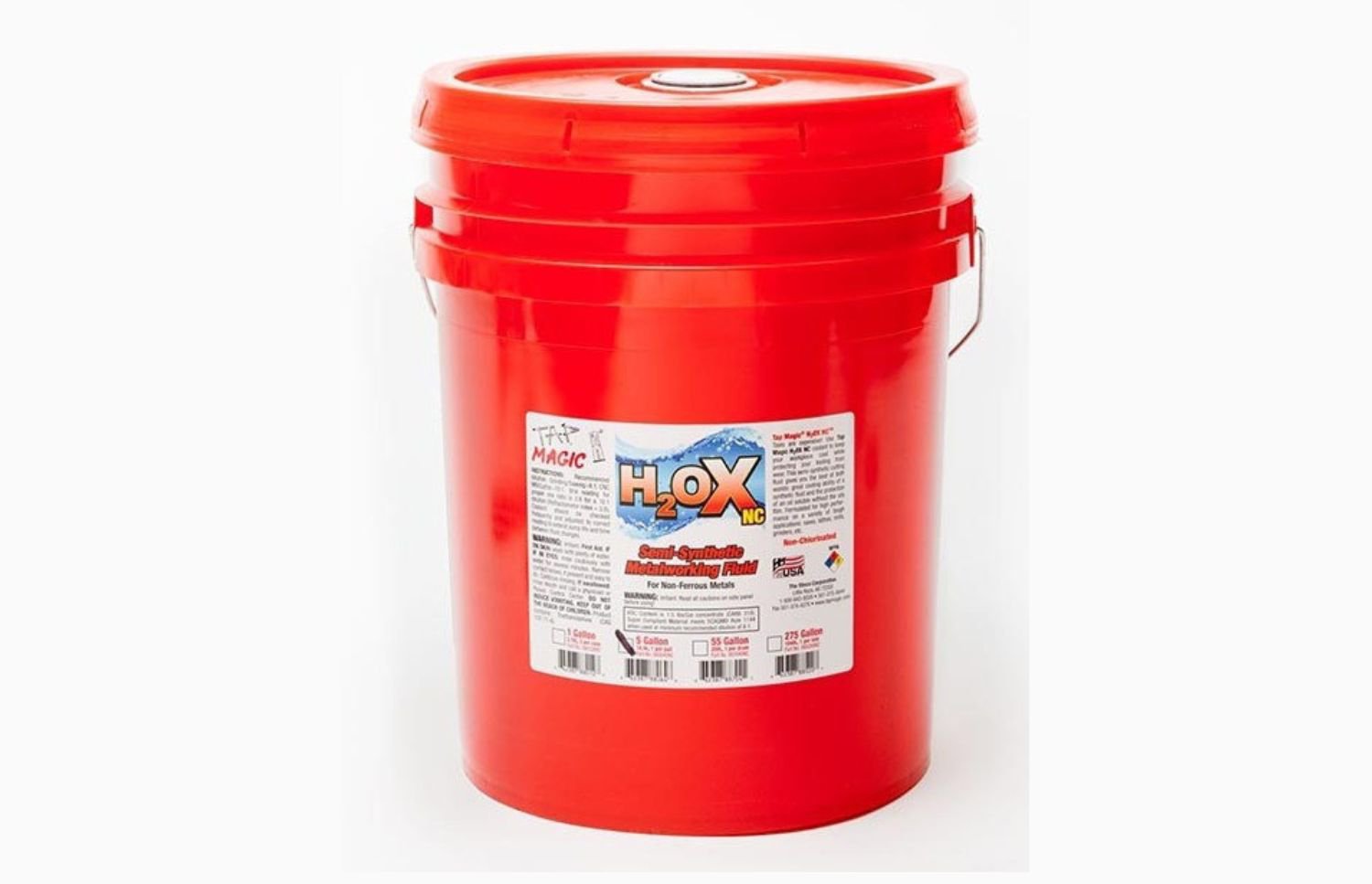
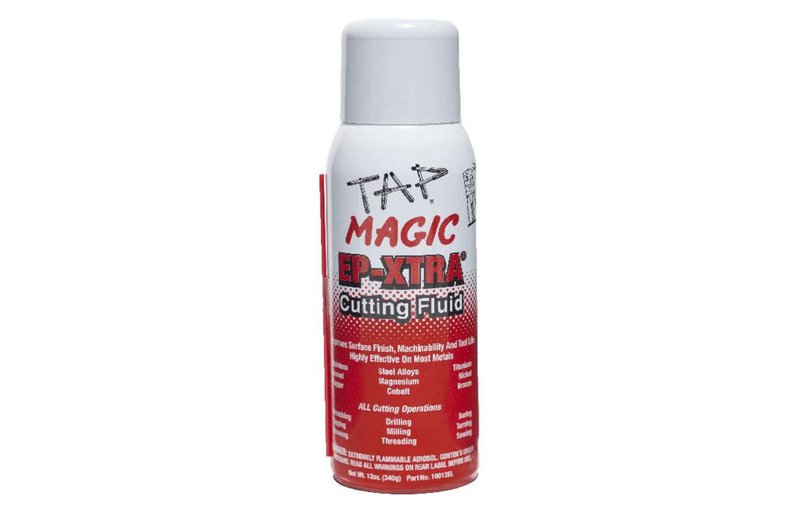
At Tap Magic, machining professionals gain practical fluid solutions supporting diverse production environments and operational priorities. Reliable coolant performance and specialized cutting oils help facilities improve machining stability without unnecessary complexity. Discover Tap Magic machining fluid solutions supporting equipment longevity, operational consistency, and dependable manufacturing performance.