


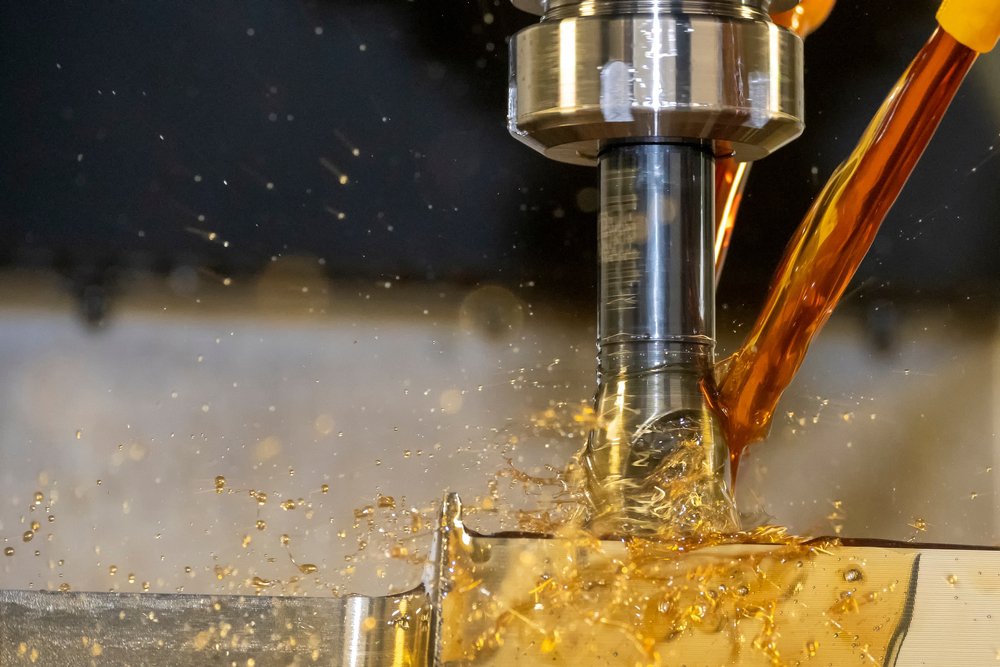
Modern machine shops regularly work with tough metals that demand the right machining approach. Among them, machining high-strength titanium creates unique challenges that can shorten tool life and affect production quality. Choosing the right cutting fluid helps control heat, reduce wear, and keep machining operations running efficiently.
Reliable cutting fluids protect expensive tooling while improving machining consistency. The right fluid supports cleaner cuts, better surface finishes, and longer tool life throughout demanding production runs. Investing in the proper lubricant also helps reduce scrap and unnecessary operating costs.
Managing Heat When Machining Titanium
Machining tough titanium alloys generates intense heat that can quickly damage cutting tools. Since titanium has low thermal conductivity, much of that heat stays concentrated at the cutting edge instead of moving into the chips. As a result, cutting temperatures rise rapidly during machining.
Excessive heat accelerates tool wear and increases the risk of dimensional inaccuracies. Applying a steady flow of cutting fluid removes heat from the cutting zone and helps maintain stable machining conditions. Consistent cooling also reduces stress on cutting tools during extended production runs.
Effective temperature control helps prevent thermal shock that can crack carbide inserts. Specialized cutting fluids are formulated to manage these demanding conditions while supporting reliable machining performance. Maintaining stable temperatures improves both tool life and finished part quality.
Overcoming Friction on the Titanium Shop Floor
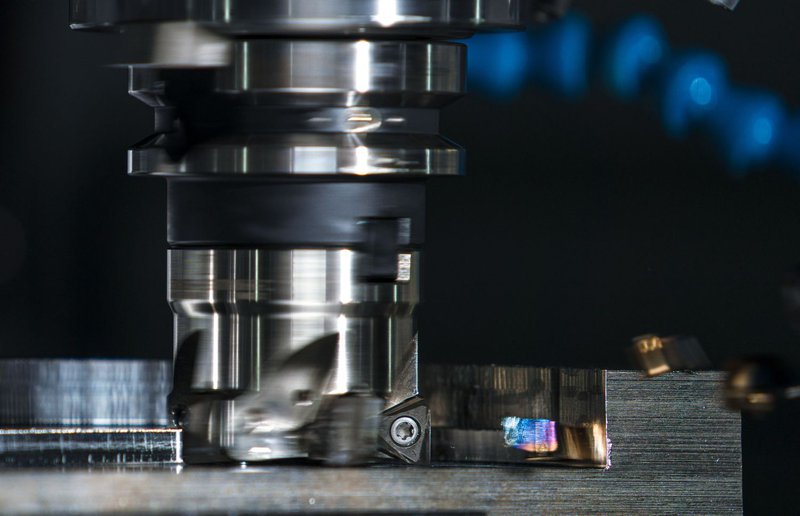
Friction is another major challenge when machining titanium. The material tends to stick to cutting tools, increasing resistance and creating more heat throughout the operation. Without proper lubrication, tool wear can accelerate quickly.
As friction increases, crater wear, chipping, and poor surface finishes become more common. High-quality cutting fluids create a protective lubricating film between the tool and the workpiece, reducing metal-to-metal contact. This helps produce smoother cuts while protecting valuable components.
A strong lubricating barrier also lowers cutting forces and reduces the workload on CNC equipment. With less friction, machining becomes more consistent, and tools maintain their cutting performance for longer production runs.
Reducing Chemical Reactivity with Titanium
Titanium's chemical reactivity creates another challenge during machining. At elevated temperatures, the material can bond to the cutting edge, forming a built-up edge that reduces machining accuracy and surface quality. Managing this reaction is essential for consistent results.
Some additives, such as highly chlorinated compounds, may create concerns in certain applications, particularly within aerospace manufacturing. Instead, many cutting fluids rely on carefully balanced sulfurized additives and other protective chemistries that provide lubrication without increasing the risk of material damage.
These specialized formulations create a protective barrier between the cutting tool and the workpiece. Maintaining proper fluid concentration ensures this protection remains effective throughout production and supports consistent machining performance.
Fluid Characteristics for Extreme Pressure
Selecting the right cutting fluid is especially important when machining titanium under heavy cutting loads. High-pressure machining requires fluids that remain stable while delivering consistent cooling and lubrication throughout the operation.
We recommend evaluating these essential performance characteristics before selecting your next shop product:
- Superior thermal conductivity allows the fluid to carry heat away from the cutting zone.
- High flash points improve safety during demanding machining operations.
- Advanced EP additives keep tooling sharp for longer periods of time.
- Active polar additives create a durable lubricating film under heavy cutting pressures.
- High viscosity agents maintain consistent fluid delivery during deep-hole drilling.
Choosing a premium metalworking fluid helps protect tooling while supporting reliable machining performance across demanding titanium applications.
Extending Tool Life in Hard Alloys
Tooling represents a major investment for every machine shop. Slowing wear rates improves productivity, reduces downtime, and lowers replacement costs when machining titanium components. The right cutting fluid plays a key role in achieving those results.
We recommend focusing on these operational benefits to maximize tooling performance:
- Rapid chip evacuation helps prevent chip recutting that can damage cutting tools.
- Reduced micro-chipping cushions cutting forces during demanding operations.
- Stable temperature control helps prevent thermal cracking.
- Boundary lubrication minimizes flank wear at critical contact points.
- Protected tool geometry supports consistent dimensional accuracy over long production runs.
Using specialized cutting fluids helps shops maintain sharper tools, improve machining consistency, and reduce overall tooling expenses.
Achieving Peak Performance with Specialized Fluids
Successful titanium machining depends on balancing cooling, lubrication, and tool protection. The right cutting fluid helps extend tool life, improve surface finishes, and maintain consistent production across demanding applications. These advantages contribute to better machining performance and lower operating costs.
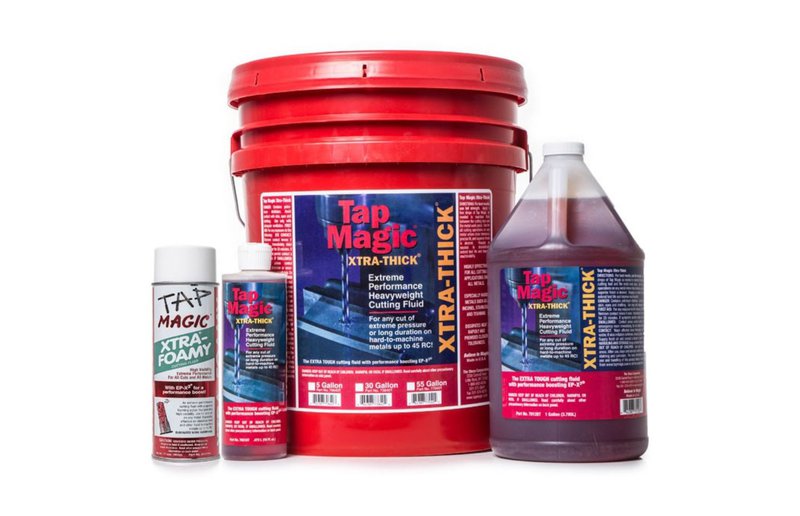
At Tap Magic, we provide industrial cutting fluids engineered for challenging titanium applications. Our premium formulations help extend tool life, improve machining consistency, and support reliable production results. Contact our experienced team to find the right metalworking fluid for your operation.