


Modern manufacturing shops constantly strive to improve machining efficiency and reduce production costs. Selecting the right CNC coolant plays a vital role in achieving these operational goals. Heat generated during metal cutting can severely damage expensive workpieces and workshop machinery.
Proper fluid selection ensures optimal temperature control and extends overall cutting tool life. Machinists must evaluate several critical variables before choosing a specific fluid formulation. Understanding these technical factors helps manufacturing facilities maintain consistent quality and high productivity.
Managing Material Diversity with CNC Coolant
Aluminum machining requires excellent lubrication to prevent the metal from sticking to tools. Choosing an appropriate CNC coolant prevents built-up edge formation during heavy cutting operations. Harder metals like titanium demand superior heat dissipation to protect fragile cutting edges.
With this in mind, specialized chemical additives help operators maintain precise tolerances across diverse material groups. Incorrect fluid choices often lead to rapid tool wear and poor surface finishes. Each unique alloy interacts differently with the chemical components found inside industrial lubricants.
Furthermore, operators must monitor concentration levels to ensure consistent metalworking fluid performance. Titanium alloys require high-pressure fluid delivery to wash away abrasive chips effectively. Matching fluid properties to specific metallurgy remains a fundamental requirement for manufacturing success.
Optimizing Cutting Speeds with the Right CNC Coolant
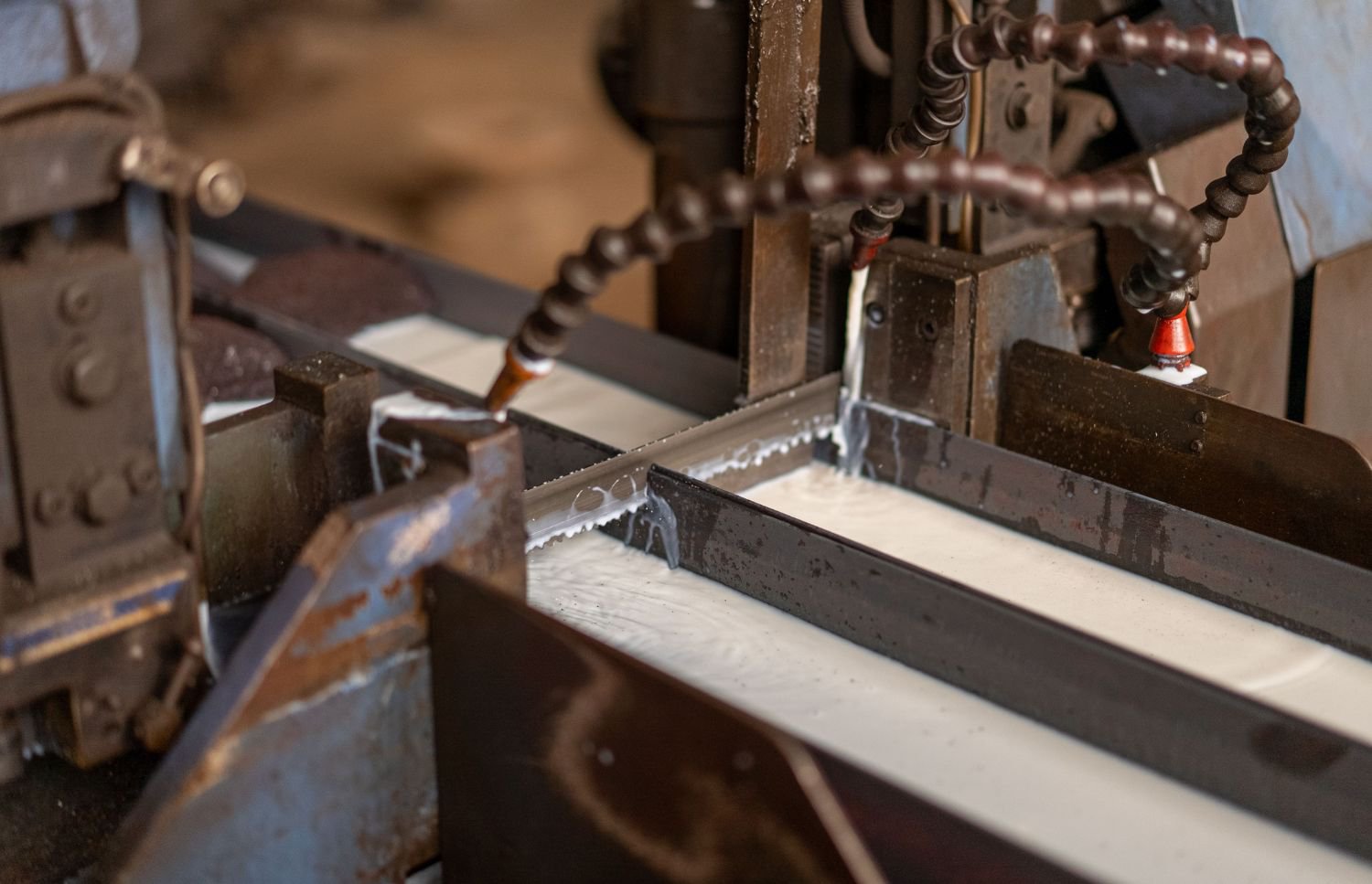
High-speed machining operations generate extreme thermal energy at the precise cutting zone. Rapidly turning tools require rapid cooling to prevent micro-cracking caused by thermal shock. Consequently, water-soluble options work best when thermal management is the primary operational concern.
In contrast, slower cutting speeds on tough metals generally require enhanced extreme-pressure lubrication instead. Heavy broaching or tapping processes rely on oil-rich mixtures to reduce frictional forces. Utilizing a versatile CNC coolant allows shops to balance cooling and lubrication needs.
Looking at the process from another angle, modern CNC machinery requires adaptable fluid solutions to handle varying rotational speeds. Friction reduction becomes critical when tools engage materials at lower feed rates. Therefore, fluid selection must align directly with the planned spindle speed parameters.
Critical Traits of Premium CNC Coolant
Strong biological stability prevents the foul-smelling bacteria that take hold inside neglected sumps. Premium CNC coolants carry advanced biocide packages that extend usable fluid service life. A well-formulated coolant also lowers friction at the tool-workpiece interface, the central concern of tribology. The Society of Tribologists and Lubrication Engineers is the technical body that advances the science of friction, wear, and lubrication.
As a direct result of proper formulation, corrosion protection stands out as another vital trait of quality metalworking fluids. Rust formation damages costly machine components and ruins delicate customer workpieces in very little time. Stable emulsions also resist separation when the fluid meets hard water during everyday use.
Building on those benefits, low-foaming behavior keeps fluid moving cleanly through high-pressure coolant delivery systems. Excessive foam cuts cooling efficiency and can create dangerous dry-cutting conditions at the tool. Foam also introduces oxygen into the fluid which promotes accelerated bacterial growth. Using a highly stable formulation gives you predictable performance through long, demanding production shifts.
Common Fluid Selection Mistakes to Avoid
Many machine shops select cutting fluids based entirely on the initial purchase price. Buying cheap alternatives frequently results in higher overall tooling costs over time. Experienced machinists understand that fluid quality directly affects the daily performance of machinery.
To avoid costly downtime, watch out for these specific fluid selection errors:
- Ignoring water quality when mixing concentrated fluid formulas for machine sumps.
- Selecting generic fluids without considering the specific metals being machined daily.
- Overlooking the specific fluid maintenance requirements needed to prevent bacterial contamination.
- Failing to monitor concentration levels using a calibrated handheld optical refractometer.
- Buying low-quality options that cause skin irritation among workshop operators.
On the other hand, correcting these common errors immediately improves workshop productivity and reduces tool wear. Educating operators on proper CNC coolant management practices ensures long-term operational success.

Maintaining Fluid Stability for Shop Safety
OSHA's Metalworking Fluids: Safety and Health Best Practices Manual links inhaling MWF mist to respiratory conditions like asthma and hypersensitivity pneumonitis. The same manual recommends a systems-based fluid management program to keep that exposure under control. Clean, well-managed fluids protect both expensive machinery and the operators who run it every shift. Consistent safety standards also build a steadier, more productive environment for the entire team.
To establish a safer workspace, integrate these preventive steps into your daily routines:
- Skim tramp oil from sumps regularly, since it feeds anaerobic bacterial growth.
- Test pH regularly to keep the fluid within the manufacturer's recommended range.
- Add clean water and concentrate using the proper mixing sequence every time.
- Clean fluid reservoirs fully during scheduled machine clean-out and recharge cycles.
- Filter out fine metal chips to limit bacterial nesting and extend fluid life.
In summary, systematic fluid care extends the useful service life of your CNC coolant. Healthy fluid keeps machining precise and holds down operating costs across the shop.
Enhancing Machine Longevity and Surface Finishes
High-performance fluids protect machine ways and guide rails from premature mechanical wear. Corrosive fluid mixtures can degrade internal seals and destroy expensive spindle bearings. Therefore, investing in premium fluids safeguards your entire capital equipment investment.
Simultaneously, superior surface finishes require consistent lubrication at the point of tool contact. Going with an advanced CNC coolant minimizes surface roughness on finished metal parts. Eliminating micro-scratches helps machine shops meet strict quality control standards reliably.
As an added benefit, clean cutting fluids prevent chip recutting during deep pocketing operations. Efficient chip evacuation directly improves tool life and enhances operational efficiency. Strategic fluid management ultimately transforms shop productivity and boosts profitability margins.
Achieving Precision Through Strategic Fluid Selection
Selecting the right CNC coolant remains a critical decision for modern manufacturing. Proper fluid management directly impacts tool life, surface finishes, and shop productivity. Prioritizing fluid quality allows industrial facilities to maximize their machining capabilities.
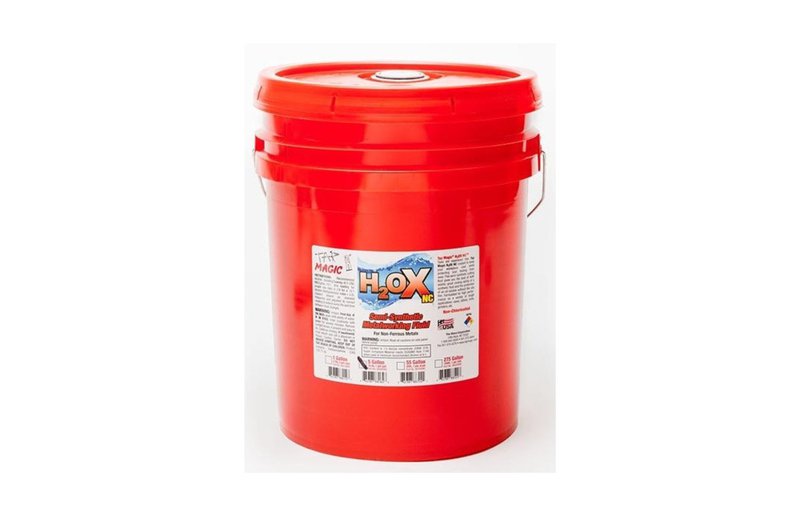
At Tap Magic, advanced metalworking fluids are engineered to support your production goals. Discover how premium CNC coolant solutions can enhance your workshop efficiency today. Explore high-performance cutting fluids designed to deliver reliable protection and superior precision.