


Tool wear, chatter, poor surface finish, and inconsistent cutting are often blamed on tooling or machine settings. However, the real issue frequently begins with fluid selection. Choosing the right neat cutting oil can improve machining stability, reduce downtime, and extend tool life across demanding production environments.
Modern machining operations depend heavily on proper lubrication for heat control, chip evacuation, and machining consistency. The wrong fluid can quickly increase friction, machine strain, insert wear, and unnecessary operational costs. Efficient machining results often rely on selecting lubrication that supports stable cutting performance under real production conditions.
Why Cutting Oil Matters More Than Most Machinists Realize
A properly matched cutting oil helps control heat, reduce friction, and protect both tooling and workpieces during machining. When lubrication performs correctly, machines operate more smoothly, tooling lasts longer, and finished parts maintain tighter tolerances consistently across production cycles.
When fluid performance begins breaking down, machining problems often appear quickly:
- Rapid insert wear
- Excessive heat and smoke
- Chatter and vibration
- Material buildup on tooling
- Poor surface finish
- Inconsistent dimensional accuracy
In high-volume machining environments, even minor lubrication problems can lead to costly downtime and reduced operational efficiency over time.
Understanding Metal Compatibility in Machining
Different metals respond uniquely to heat and friction during machining operations. This variation directly affects how cutting oil performs under real shop conditions. As a result, machinists must match fluid behavior to material characteristics for consistent machining stability and tooling protection.
OSHA notes that metalworking fluids help control heat, reduce friction, and improve tool life. Stainless steel machining, for example, requires high lubricity cutting oil because the material generates extreme heat and work hardens quickly during aggressive machining. Aluminum machining benefits from non-staining oil that prevents material buildup, improves chip evacuation, and reduces sticking on cutting edges.
Cast iron applications often require oils that manage abrasive chip formation effectively while protecting tooling surfaces from premature wear. Titanium machining creates intense heat and cutting pressure, which demands extreme pressure lubrication for stable tool engagement. Exotic aerospace alloys require balanced lubrication and cooling to prevent thermal distortion during extended production runs.
Proper fluid matching improves machining consistency while reducing wear across demanding operations.

Choosing the Right Cutting Oil for Metal Type
Selecting cutting oil based on metal type improves reliability across machining environments. Furthermore, proper fluid selection reduces tool stress and supports stable production output levels. Before choosing, machinists should carefully evaluate material properties, lubrication strength, cooling behavior, and cutting stability requirements.
- Stainless steel requires high lubricity for heat control, work hardening resistance, and longer insert life
- Aluminum benefits from non-staining oil that prevents material buildup and improves chip evacuation performance
- Titanium machining demands extreme pressure for stable tool engagement under high stress conditions
- Cast iron requires oil that manages abrasive chip formation while reducing tooling wear levels
- Exotic alloys need balanced cutting oil to prevent thermal distortion and maintain dimensional accuracy during machining cycles
Correct fluid evaluation improves machining consistency and reduces unnecessary interruptions across production environments. Better cutting oil selection also enhances surface finish quality while lowering tooling costs significantly over time.
Cutting Oil Viscosity and Machining Conditions
Viscosity plays a major role in how cutting oil behaves under heat and friction pressure conditions. In general, lighter oils improve cooling performance during high-speed machining, while heavier oils create stronger lubrication films for demanding cuts and heavy load operations. Therefore, correct viscosity selection supports stable machining performance across varied applications.
High-speed operations require lubrication that dissipates heat efficiently during continuous machining cycles. Heavy cutting loads demand stronger lubrication films for tooling protection under extreme pressure. CNC precision work benefits from balanced fluid performance because stable lubrication directly affects repeatability, dimensional accuracy, and long-term equipment reliability.
Choosing the wrong viscosity can quickly lead to:
- Overheating
- Poor surface finish
- Tool chatter
- Inconsistent cutting
- Increased machine strain
Proper viscosity management helps maintain machining efficiency and equipment protection across long production runs.
Machining Speed, Tooling, and Pressure Factors
Machining speed directly influences cutting oil performance and thermal control in production environments. Tooling type and cutting pressure further determine fluid effectiveness and operational consistency during machining.
Before selecting fluids, machinists should carefully evaluate speed, tooling, and pressure conditions. High-speed machining typically requires lower viscosity oil for rapid heat dissipation during continuous operation. Heavy-duty cutting operations require stronger lubrication films capable of handling extreme pressure without breakdown.
Different tooling setups also place unique demands on cutting oil performance:
- Carbide tooling benefits from stable lubrication that reduces vibration and edge wear
- Interrupted cuts require oil that resists film breakdown under fluctuating pressure conditions
- Deep cutting operations demand consistent lubrication under sustained heat exposure levels
Correct matching of speed, tooling, and pressure significantly improves machining consistency while reducing costly production interruptions.
Common Mistakes in Cutting Oil Selection
Many machining problems begin with incorrect cutting oil assumptions and poor maintenance practices. One of the most common mistakes is attempting to use one cutting oil for every material and application. Although this approach may simplify inventory, it often creates larger machining problems over time.
Neglecting viscosity differences can also lead to overheating and unstable machining conditions across production environments. Poor fluid maintenance, contaminated oil, and infrequent monitoring frequently contribute to inconsistent cutting performance and reduced operational efficiency.
Once cutting oil performance begins degrading, machining stability often follows quickly. Tool life decreases, surface finishes become inconsistent, and machine stress increases across production cycles.
Regular monitoring and maintenance help prevent fluid breakdown while improving long-term machining consistency and tooling performance.
Quick Signs Your Cutting Oil May Be Wrong
If machining operations begin experiencing recurring performance issues, cutting oil may be part of the problem. Common warning signs include:
- Excessive smoke during cutting
- Burned-looking surface finishes
- Rapid insert consumption
- Material welding to tooling
- Unstable chip formation
- Increased chatter during cuts
- Frequent tool adjustments
- Unexpected dimensional variation
These issues are often mistaken for tooling or machine problems when fluid performance is actually the root cause.
Improving Tool Life and Finish Quality
Proper fluid selection directly improves machining consistency, dimensional accuracy, and surface finish quality. Additionally, controlled lubrication significantly reduces friction and heat buildup during cutting operations across demanding production environments.
Consistent lubrication minimizes vibration, stabilizes machining conditions, and extends tooling durability across longer production cycles. Better cutting oil application also supports efficient workflows by reducing unnecessary downtime and improving production reliability.
Many machining operations also experience:
- Reduced insert consumption
- Better surface finish consistency
- Lower rework rates
- Longer uninterrupted production runs
- Reduced overall tooling costs
Stable machining conditions support long-term operational reliability while improving productivity across varying manufacturing demands.
Building Reliable Performance Through Smarter Fluid Choices
Machining performance depends heavily on selecting the correct cutting oil for each application. Proper lubrication improves tooling life, machining stability, and operational efficiency across production environments. Informed fluid selection also helps reduce downtime while supporting more predictable machining performance long term.
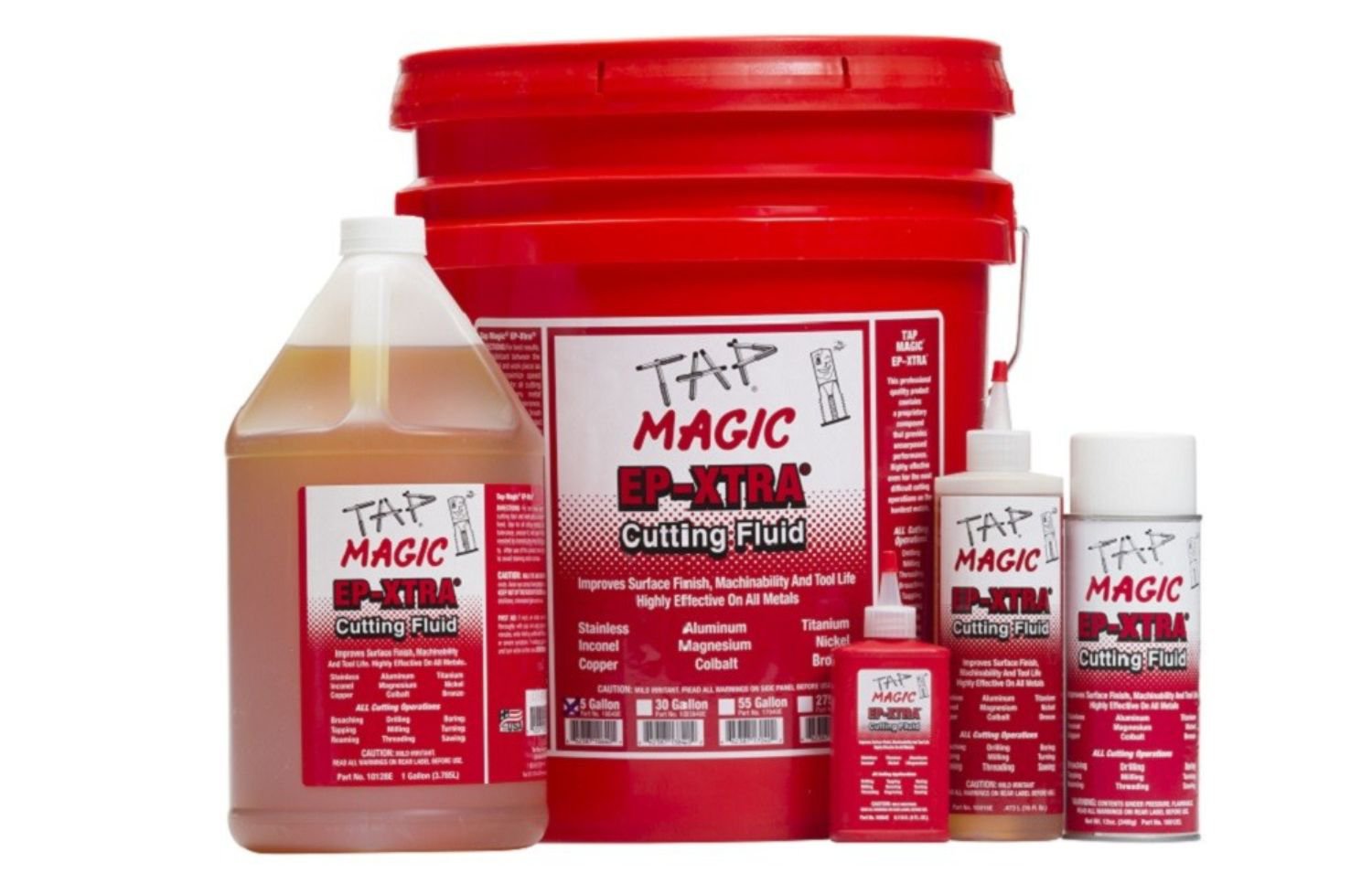
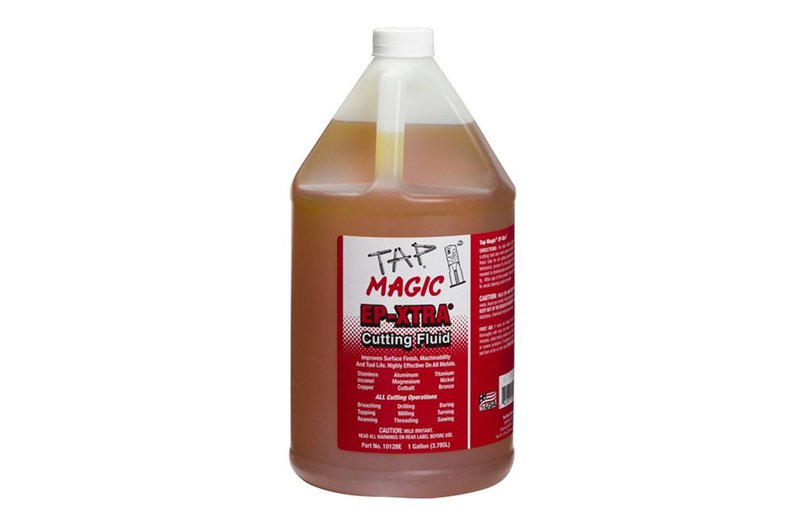
Tap Magic develops premium lubrication solutions designed to support real-world machining performance across demanding industrial applications. With decades of experience serving metalworking professionals, Tap Magic helps machinists maintain precision, efficiency, and equipment protection through application-focused cutting fluid solutions engineered for consistent results.