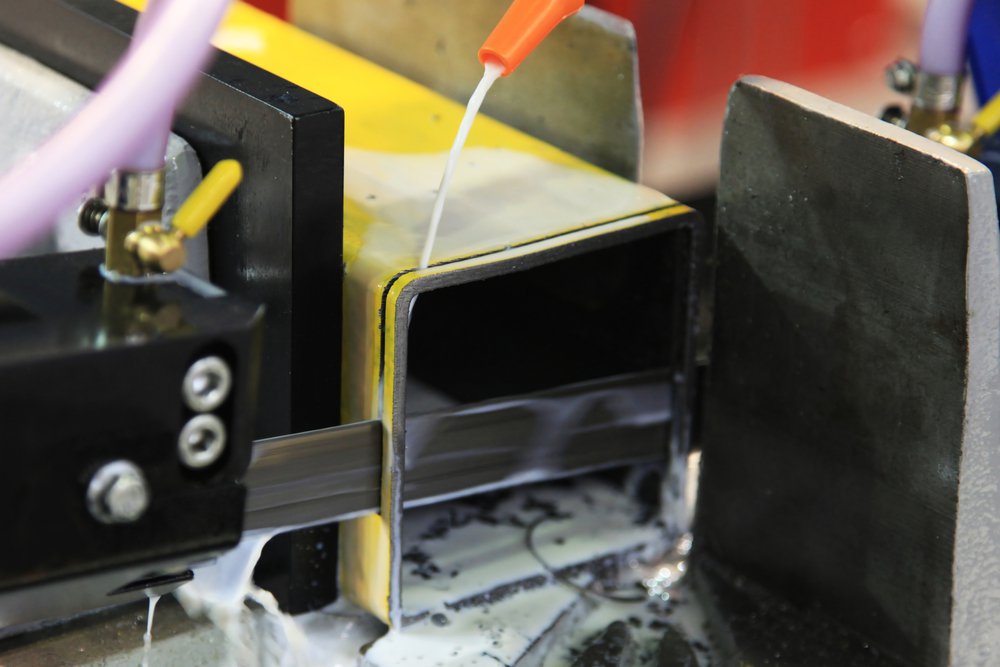
Choosing the proper metalworking fluid is essential for producing high-quality precision parts. Many industrial machine shops regularly process nonferrous metals like copper and brass, each with unique machining requirements. Using the wrong lubricant can lead to surface discoloration, poor finishes, and unnecessary tool wear.
Experienced machinists understand that different fluids interact with these alloys in different ways. The right formulation helps protect surface quality, maintain dimensional accuracy, and extend tool life. As a result, proper fluid selection and maintenance can improve productivity while reducing operating costs.
Machining Challenges of Copper and Brass Alloys
Brass typically produces brittle chips that break away easily during machining. Copper, however, is softer and more ductile, so chips are more likely to cling to cutting tools. These differences require machining strategies that match each material's behavior.
Heat builds quickly during extended machining operations. Excessive friction accelerates tool wear, promotes built-up edge, and reduces surface quality. Without proper cooling and lubrication, machining performance declines over time.
Workpieces can distort if temperatures are not properly controlled with cutting fluids. Effective lubrication also helps reduce cutting forces that may deform delicate copper parts. Selecting the right tooling geometry further improves stability when machining brass.
Thermal Control and Copper Chip Evacuation
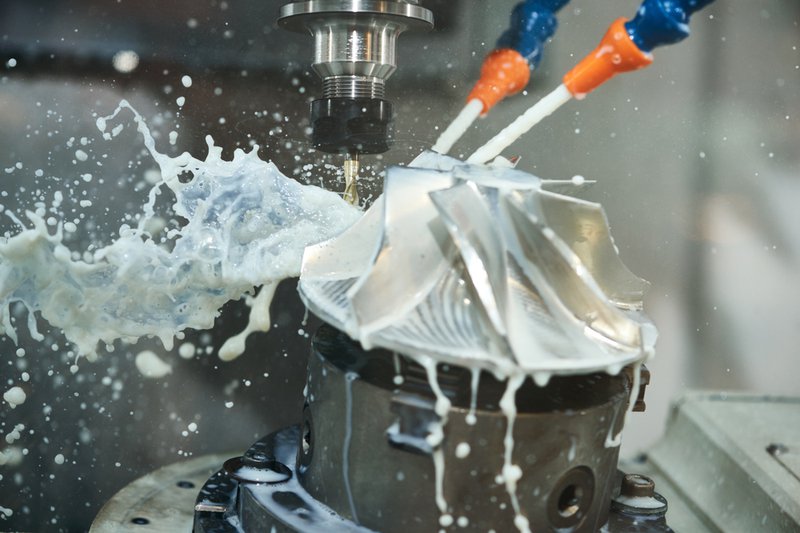
Flood application delivers cooling directly to the cutting zone where heat is generated. Rapid heat dissipation helps prevent thermal expansion that can affect tight tolerances. Keeping the workpiece cool supports consistent accuracy throughout long production runs.
Efficient chip evacuation prevents chips from being recut and damaging finished surfaces. Poor chip removal can clog flutes, increase cutting forces, and shorten tool life. Proper lubrication reduces friction and helps chips clear the cutting zone more effectively.
Consistent fluid delivery helps protect copper workpieces from heat-related distortion. Maintaining proper flow and pressure also supports stable machining conditions. The ideal setup depends on the material grade, tooling, and machining operation.
Critical Fluid Characteristics for Copper Machining
Some active chemical additives react with yellow metals and can cause dark staining. Machinists should evaluate fluid properties before beginning any machining operation. Matching the fluid to the material and process helps deliver reliable performance.
Selecting the proper formulation provides the lubrication and cooling needed for quality machining:
- High boundary lubricity prevents soft nonferrous metals from sticking to tool faces.
- Excellent wetting properties help the lubricant reach the cutting interface quickly.
- Stable chemical emulsions resist separation when mixed with local tap water.
- Specialized metal deactivators help reduce corrosion and staining on yellow metals.
- Low foaming tendencies maintain reliable fluid coverage during high-pressure delivery.
These characteristics help produce cleaner cuts while protecting both tools and finished copper components. The right cutting fluid also reduces downtime and supports consistent production quality. Choosing the proper formulation pays off in both machining performance and operating costs.
Preventing Staining and Chemical Discoloration
Water quality has a direct impact on the performance of water-soluble cutting fluids. Hard water minerals can destabilize emulsions and increase the risk of staining. Contaminants may also accelerate coolant breakdown over time.
Fluid chemistry is equally important when machining copper and brass. Balanced pH levels help protect sensitive nonferrous metals from discoloration and corrosion. High-alkaline fluids can stain finished parts if they are not formulated for yellow metals.
Yellow metal deactivators help reduce oxidation and protect finished surfaces. Straight oils may also be suitable when maximum lubrication is the priority. Regular monitoring of fluid concentration helps maintain consistent performance throughout the machining process.
Best Maintenance Practices for Machining
Proper cutting fluid maintenance helps prevent bacterial growth and unpleasant sump odors. Clean fluid systems also extend lubricant life and improve machining consistency. Routine maintenance reduces unexpected downtime and supports reliable production.
Machinists should perform several routine checks to keep fluid systems operating at peak efficiency:
- Measure fluid concentration regularly using a clean refractometer.
- Skim tramp oils from the surface to reduce bacterial growth.
- Monitor pH levels to protect yellow alloys from oxidation.
- Remove metal fines and debris with effective filtration.
- Add properly mixed water and concentrate to maintain the correct fluid level.
Regular maintenance helps protect copper alloys while extending the life of cutting fluids. Clean sumps also improve machining performance and create a better working environment. Small maintenance tasks often prevent larger production problems later.
Optimizing Metalworking Efficiency
Finding the proper lubricant is essential when machining copper and brass alloys. Quality cutting fluids improve surface finishes, protect valuable tooling, and support consistent machining results. Combined with good maintenance practices, they help keep production running efficiently.
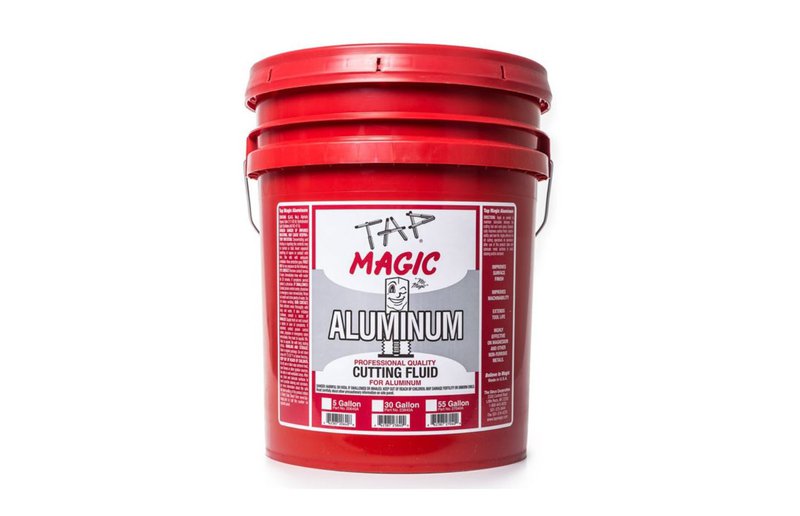
At Tap Magic, we develop high-performance cutting fluids designed for demanding metalworking applications, including copper machining. Our products help shops improve tool life, protect finished parts, and maintain consistent productivity. Explore our cutting fluid solutions to find the right option for your next machining project.