Coated cutting tools handle demanding conditions, but coatings cannot solve every machining challenge. Metalworking lubricants still influence friction, heat, chip movement, and workpiece protection during cutting. Understanding how both work together can help shops avoid unnecessary tool changes and uneven results.
Tool coatings change how cutting edges handle heat, wear, and friction. Lubrication manages conditions around that edge while supporting the workpiece and machining process. Matching the coating, material, cutting conditions, and fluid can support reliable tool performance.
Understanding What Tool Coatings Actually Do
Tool coatings create protective surfaces that help cutting edges resist wear, heat, and oxidation. Modern coatings can also reduce friction and limit material buildup on cutting edges. Their performance still depends on the tool, workpiece material, and machining conditions.
SME reported 30% to 50% improvements in tool life from coating technology. Those gains show why coatings can make a meaningful difference during demanding machining operations. However, coated tools do not automatically eliminate the need for lubrication or coolant as they are inherently expensive and have wear characteristics.
A coating protects the cutting edge, but machining still creates heat and surface contact. Chips also move across the tool while the workpiece experiences significant cutting forces. Lubrication can help manage those conditions around the coated edge, making it last longer.
The practical takeaway is simple: coatings and fluids handle different parts of machining. A coating helps protect the tool, while lubrication supports the cutting environment. Using both appropriately can help maintain reliable performance across demanding applications.
Why Metalworking Lubricants Still Matter With Coated Tools
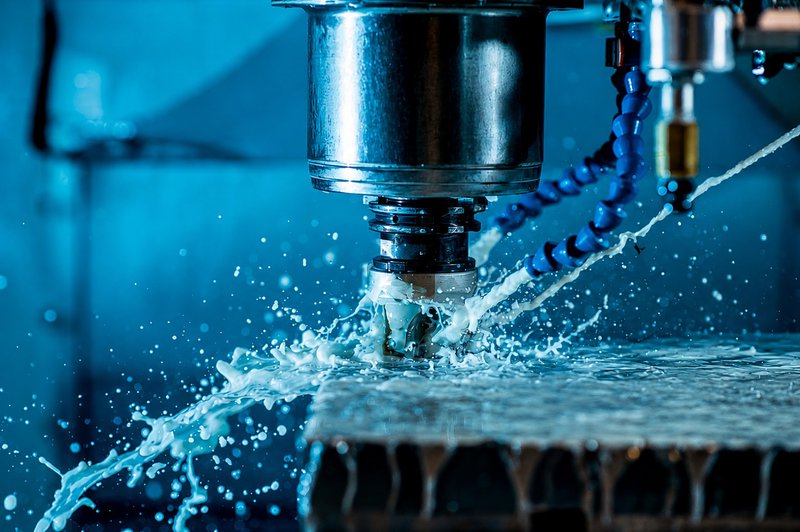
A coated tool can reduce friction at its cutting edge, but cutting still generates heat. Lubrication helps manage contact between the tool, chip, and workpiece during machining. Cooling can also help control temperatures during demanding cutting operations.
Metalworking fluids can provide lubrication, cooling, chip removal, and corrosion control during machining. Those functions remain useful even when coatings improve wear and thermal resistance. The fluid supports the cutting process rather than simply compensating for an uncoated tool.
Fluid delivery also matters when machining places heavy demands on the cutting edge. Poor delivery can leave important areas without enough cooling or lubrication. Proper delivery can help move chips away while keeping the cutting zone under control.
The goal is not to use more fluid simply because a tool remains coated. Instead, the fluid should match the operation, material, tooling, and delivery method. That approach helps coated tools perform without overlooking the rest of the machining process.
Choosing Metalworking Lubricants for Coated Tooling
Choosing a lubricant for coated tooling starts with understanding the machining application. Different materials and operations create different demands for cooling, lubrication, chip control, and surface protection. The coating matters, but it remains one part of the overall machining setup.
Consider these factors before changing fluids or adjusting an established machining process:
- Workpiece material: Aluminum, stainless steel, steel, and superalloys create different cutting challenges.
- Tool coating: Coatings differ in friction behavior, thermal performance, and resistance to specific wear.
- Cutting speed: Higher speeds can increase heat generation and change cooling requirements.
- Chip formation: Effective fluid delivery can help move chips away from the cutting edge.
- Surface requirements: Finishing work can require different lubrication priorities than heavy material removal.
The goal is to match the fluid to what happens at the cutting zone. The right metalworking lubricants should complement the coated tool without complicating the process.
How Cutting Conditions Change Lubrication Needs
A coated tool may tolerate high temperatures, but cutting conditions still affect lubrication needs. Feed rate, cutting speed, depth, workholding, and chip evacuation all influence machining performance. A coating that works well during one operation may perform differently under another setup.
Coolant delivery matters as much as fluid selection during difficult machining operations. SME notes that directed coolant can improve cooling and chip control in certain turning applications. Proper delivery helps put the fluid where it can support the cutting process.
Consider these common conditions when reviewing lubrication alongside coated tooling:
- High-speed cutting: Higher speeds can increase heat and place greater demands on cooling.
- Interrupted cuts: Changing loads can increase mechanical stress and contribute to edge damage.
- Difficult alloys: Materials with poor heat conduction can keep more heat near the cutting zone.
- Deep holes: Effective chip evacuation becomes more important when chips have limited escape paths.
- Finishing passes: Proper lubrication can help maintain surface quality and dimensional control.
Those conditions show why coating type alone cannot determine the best lubrication approach. The same coated tool may need different fluid strategies across different machining operations.
Building a Better Match Between Coatings and Lubrication
Tooling and lubrication work best when shops evaluate them as parts of one machining process. Start with the tool manufacturer's guidance for the coating, substrate, and intended application. Then consider the workpiece, cutting parameters, fluid type, and delivery method together.
Some coated tools can support dry machining, but most operations still benefit from coolant. A fluid change can also affect chip control, surface finish, temperature, and tool wear. Research on coated carbide tools found that a cutting fluid's effect on tool wear depends on the coating system, not the fluid alone. Therefore, coating performance should not be the only factor guiding lubrication decisions.
A controlled trial can help determine whether the current setup performs as expected. Compare tool wear, surface finish, chip control, temperature, and dimensional consistency during comparable machining runs. Those results can reveal whether the issue involves tooling, fluid, parameters, or delivery.
The goal is a compatible combination that keeps the machining process predictable. Coated tooling provides important protection, while metalworking lubricants help manage conditions around the cutting zone. Treating both as connected choices can support steadier results on the shop floor.
Supporting Consistent Results With the Right Lubrication Approach
Coated tooling remains valuable, while metalworking lubricants continue supporting conditions around the cutting edge. The right fluid can help manage heat, friction, chips, and workpiece protection during machining. Together, appropriate tooling and lubrication can support reliable results across demanding applications.
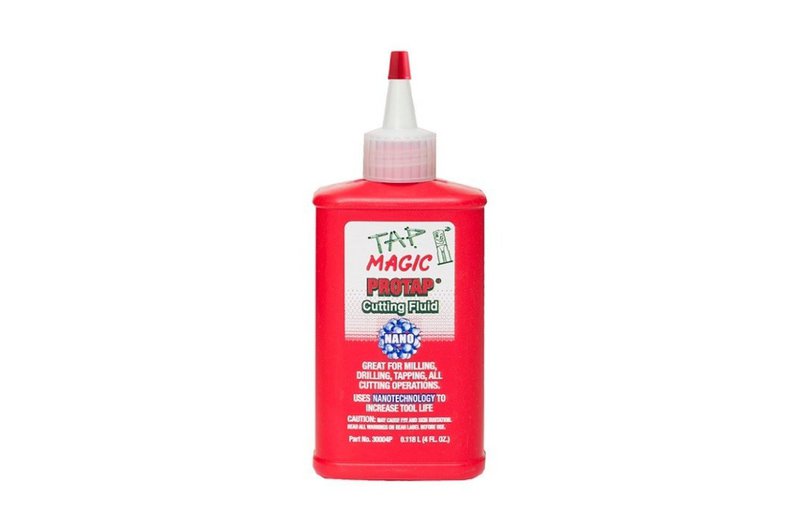
At Tap Magic, our metalworking lubricant solutions support a range of machining conditions and production needs. Our neat cutting oils, coolants, and complementary solutions are designed for industrial machining applications. If you need help evaluating metalworking lubricants for coated tooling, contact us today.