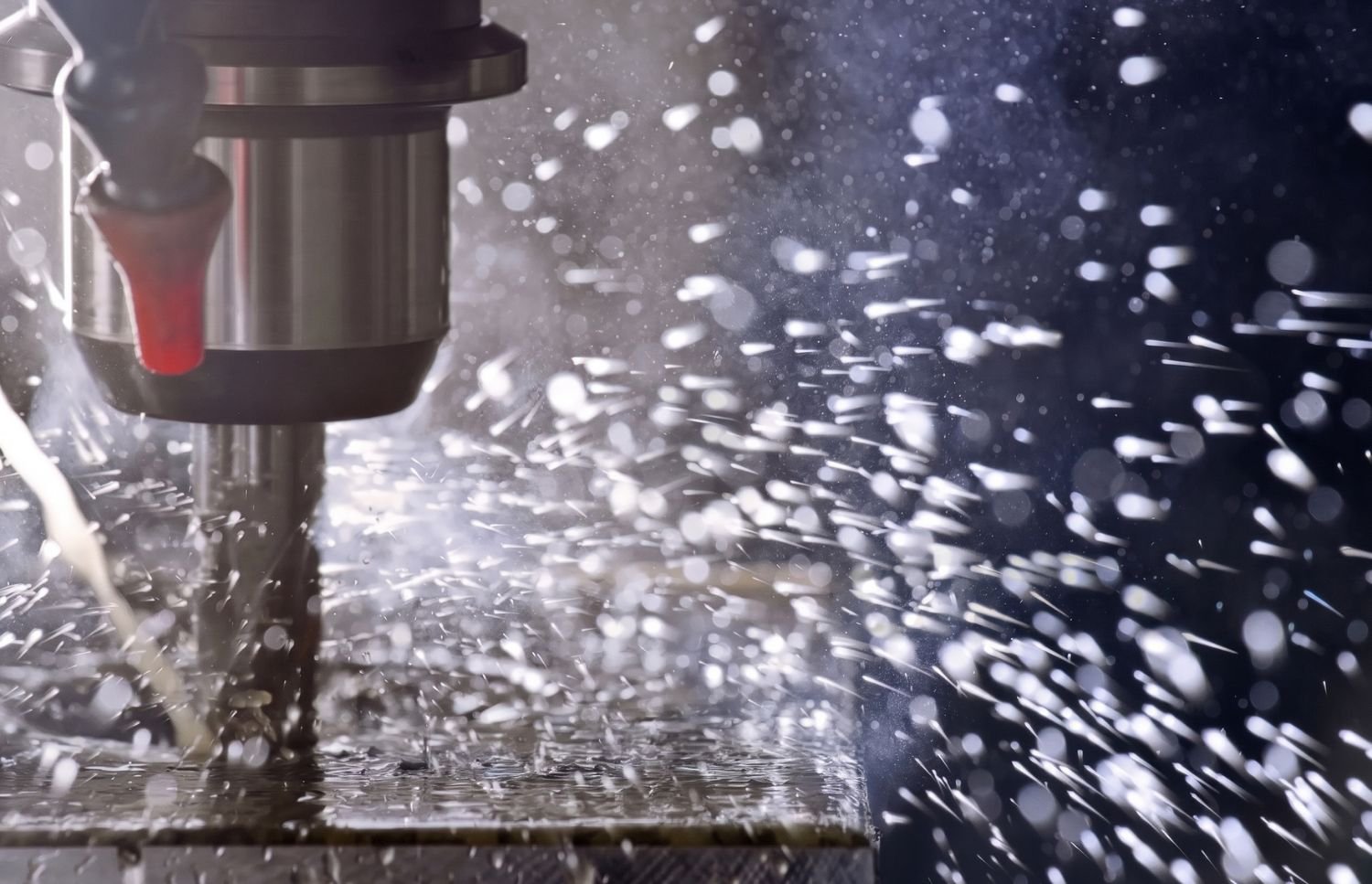
A machinist working a manual mill controls lubrication differently than an automated CNC system. The right machining fluid should fit how cutting actually happens on the shop floor. Application method, cutting speed, production volume, and heat all influence that choice.
Manual operations give machinists direct control over where lubrication reaches the cutting zone. Automated equipment relies on programmed delivery that repeats with each production cycle. Recognizing those differences helps shops choose lubrication suited to the demands of each process.
How Manual and Automated Machining Differ
Manual machining puts the operator in direct control of lubrication during each cutting operation. A machinist can apply fluid when tapping threads, drilling holes, or making demanding cuts. Hands-on control allows adjustments when materials, tooling, or cutting resistance change.
Automated machining follows programmed speeds, feeds, movements, and production cycles. CNC equipment needs delivery systems that reach the cutting area throughout each operation. Pumps, lines, nozzles, and flow rates affect how well lubrication reaches the work.
The key difference comes down to how lubrication reaches the cutting zone. Manual work favors flexibility, while automated production depends on repeatable fluid delivery. Those differences should guide fluid selection before other performance factors enter the discussion.
Selecting Machining Fluid for Manual Applications
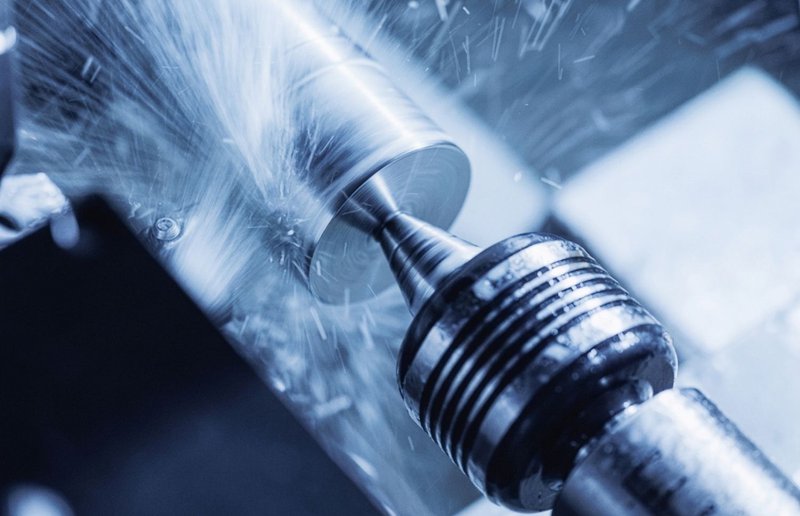
Manual machining often involves varied jobs where operators change tools and work on different materials throughout the day. Direct application makes it easier to place lubrication where cutting pressure and friction occur. The quantity of lubricant can be controlled and varied depending on changing conditions during tapping, drilling, sawing, and similar operations.
Consider these factors when choosing lubrication for operator-controlled machining tasks:
- Application method: Choose fluids that work well with brushes, dispensers, or controlled hand application.
- Cutting operation: Match lubrication needs with tapping, drilling, milling, sawing, or similar operations.
- Workpiece material: Consider the metal being machined because materials create different cutting challenges.
- Tool engagement: Deeper cuts and heavier engagement can increase friction and heat around tooling.
- Finish requirements: Consider surface quality when lubrication affects the finished component.
Manual work benefits from fluids that are easy to apply without slowing production. Machinists also need flexibility when cutting conditions change during individual jobs. A suitable machining fluid should support the operator's technique rather than complicate it.
Selecting Machining Fluid for Automated Applications
Automated machining changes the equation because fluid delivery becomes part of machine operation. CNC systems may use pumps, lines, nozzles, or flood delivery to reach cutting areas. Reliable coverage matters when the same operation repeats through extended production runs.
Production volume also changes how shops evaluate lubrication for automated equipment. Longer runs expose fluid systems to sustained cutting, heat, chips, and contamination. Shorter cycle times can make dependable delivery and cooling more important.
HSE (Health and Safety Executive) identifies jets, sprays, and hand dispensers among methods used for applying metalworking fluids. Its guidance also emphasizes maintaining fluid quality and controlling contamination during continued use. For automated shops, delivery equipment and fluid condition deserve attention alongside product choice.
Matching Fluid Selection With Production Demands
Cutting conditions can change substantially between a one-off manual job and continuous production. Higher speeds may generate more heat, while longer cycles increase exposure to cutting tool wear. Production volume also makes repeatability more important when machines run through extended shifts.
Use these checkpoints when evaluating lubrication requirements for different machining environments:
- Cutting speed: Consider heat generation and whether delivery can keep pace with faster cutting.
- Production volume: Account for repeated cycles and longer periods of machine operation.
- Cycle duration: Evaluate whether lubrication and cooling remain sufficient throughout longer cuts.
- Heat generation: Consider thermal demands created by material, speed, tooling, and depth.
- Fluid delivery: Check whether pumps, nozzles, or manual methods provide adequate cutting-zone coverage.
Manual machining may require adaptable application as jobs change across the shop floor. Automated production generally needs predictable delivery that remains stable between repeated cycles. Choosing accordingly can help reduce waste while supporting dependable machining performance.
How Fluid Choice Affects Machining Performance
Lubrication helps control friction, manage heat, and supports the cutting process. Those functions can influence tool wear, surface quality, chip movement, and equipment condition. The right fluid should support the demands created by each machining environment.
Tool life becomes especially important when tooling costs or production volumes are substantial. Excessive friction and heat can contribute to faster wear and inconsistent cutting results. Suitable lubrication helps maintain cutting conditions that tools need for dependable performance.
NIOSH states that metalworking fluids reduce heat and friction during machining operations. The agency estimates approximately 1.2 million workers potentially encounter metalworking fluids through their work. That research reinforces the importance of selecting suitable fluids and managing them responsibly.
Choosing Fluids That Fit the Machining Process
Choosing between fluid options starts with the machine, material, tooling, and cutting conditions. Manual work calls for practical application, while automated systems require dependable delivery. Overall, matching the fluid to the process supports tool life, finish quality, and equipment protection.
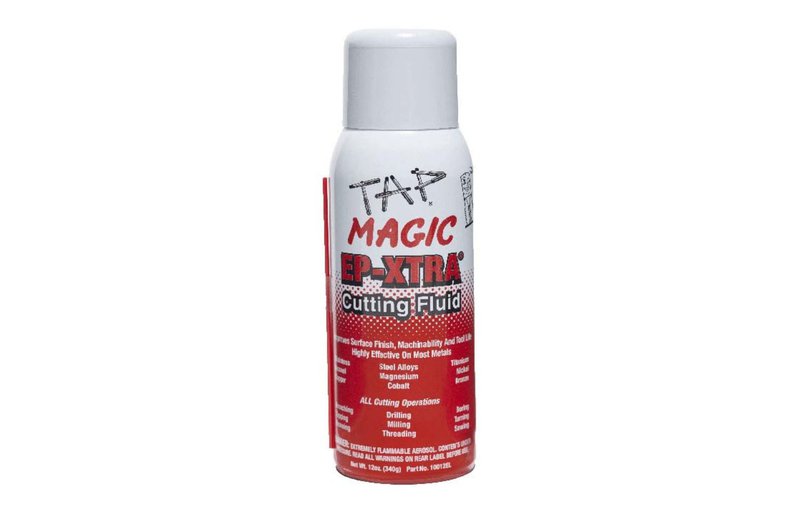
At Tap Magic, machining fluid solutions support machinists across varied industrial cutting applications. Decades of experience help the team provide practical lubrication options for demanding machining environments. For help finding an appropriate solution, contact us today and connect with the Tap Magic team.